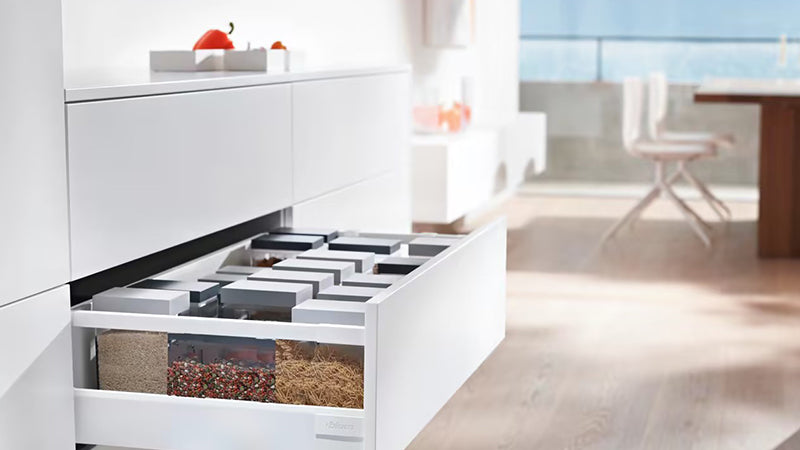
Built-in Bookcases as a Permanent Design Element
A built-in bookcase is no longer viewed as a decorative add-on. In modern homes, it has become a permanent architectural feature that defines how space is organized, styled, and experienced.
As living environments become more multifunctional, built-in bookcases are evolving to meet demands for flexibility, integration, and visual refinement.

Why Built-in Bookcases Are a Long-Term Design Choice
Unlike freestanding furniture, built-in bookcases are designed to last. They are tailored to the room, aligned with architectural details, and intended to remain relevant for years.
- They integrate seamlessly into wall structures
- They reduce the need for additional furniture
- They adapt to changing lifestyles and storage needs
- They increase perceived quality and permanence
These qualities position built-in bookcases as a smart investment in both design and functionality.
Key Trends Shaping Modern Built-in Bookcases
1. Seamless Wall Integration
Future modern built-in bookcases are designed to visually disappear into walls. Flush panels, concealed hardware, and continuous finishes allow shelving to blend naturally with the surrounding architecture.
This approach creates calm, uncluttered interiors while preserving storage capacity.
2. Mixed Storage: Display and Concealment
Open shelving alone is no longer sufficient. Modern built-in bookcases combine open shelves with concealed cabinets to balance aesthetics and practicality.
Books, décor, and art remain visible, while everyday clutter is hidden behind doors or drawers.
3. Integrated Lighting Systems
Lighting is becoming an essential part of built-in bookcase design. Soft LED lighting enhances visual depth and highlights displayed objects.
Future designs will increasingly include:
- Integrated shelf lighting
- Warm ambient backlighting
- Smart lighting controls
4. Natural and Sustainable Materials
Sustainability is shaping future home storage. Wood veneers, recycled materials, and low-VOC finishes are becoming standard choices in luxury built-in bookcase design.
These materials provide warmth and texture while aligning with environmentally responsible building practices.
5. Modular and Adaptable Interiors
While built-in bookcases are permanent, their internal configurations are becoming more adaptable. Adjustable shelves, removable panels, and modular compartments allow bookcases to evolve over time.
This flexibility supports changing needs without requiring structural modifications.
Built-in Bookcases as Part of Whole-Home Storage Design
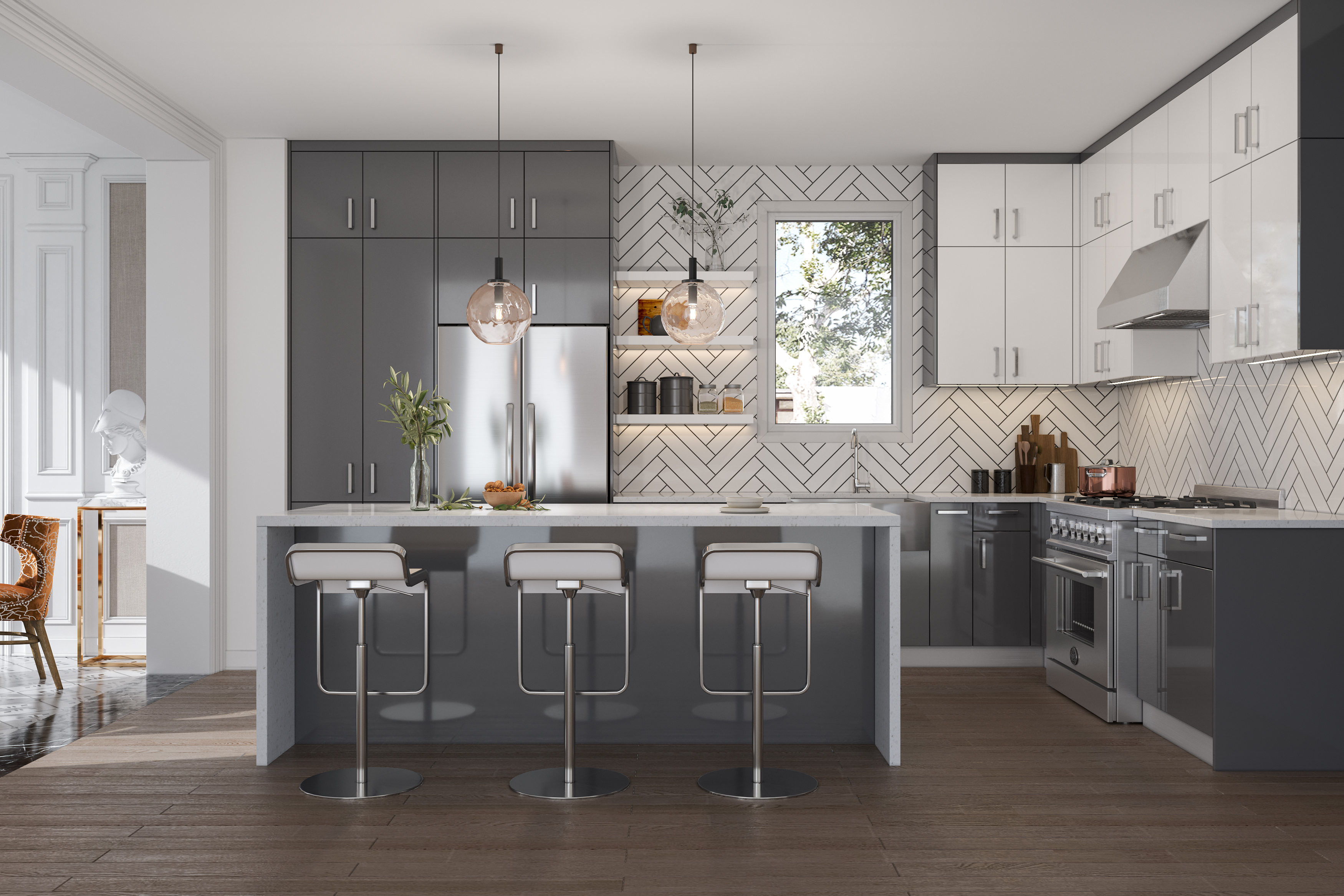
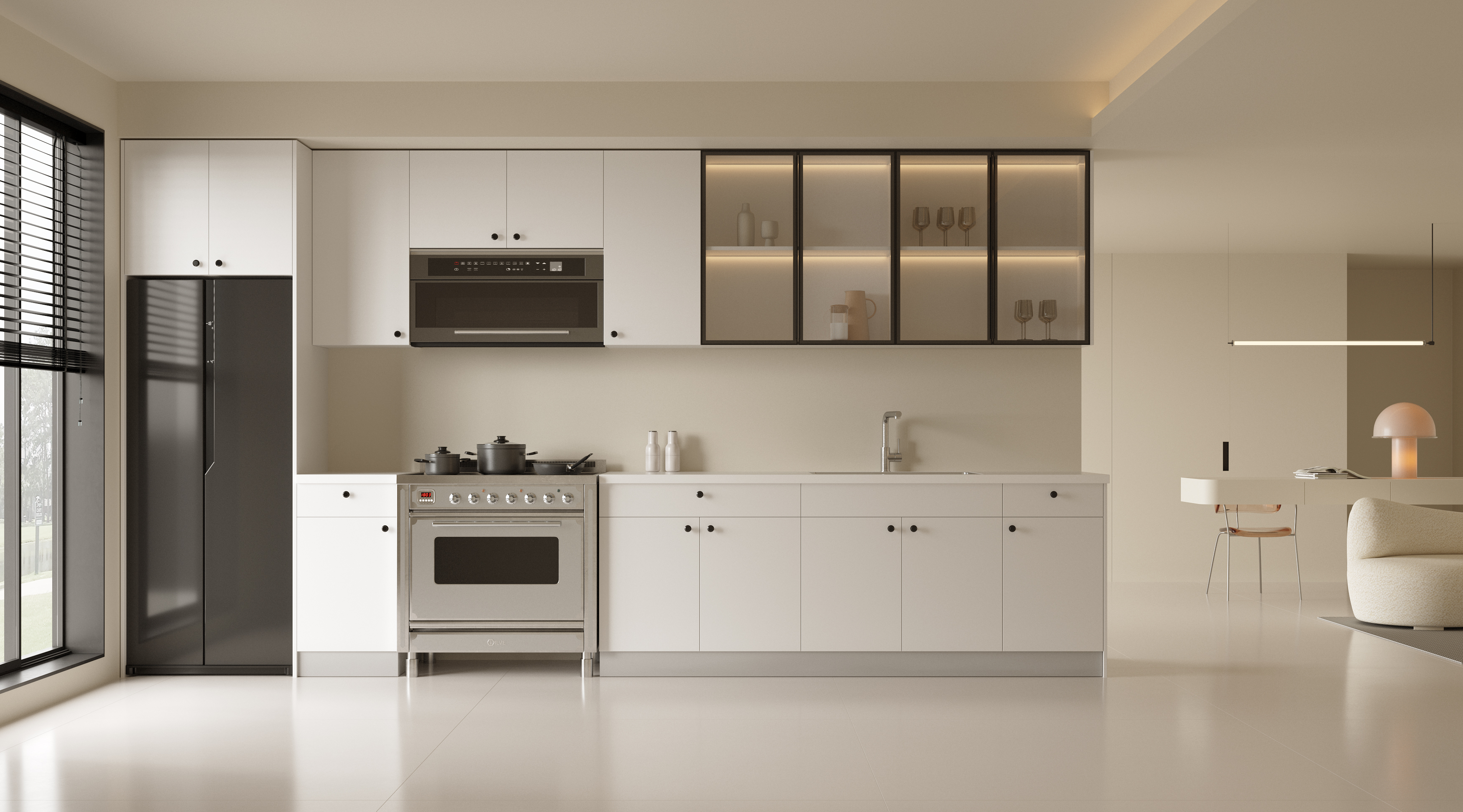
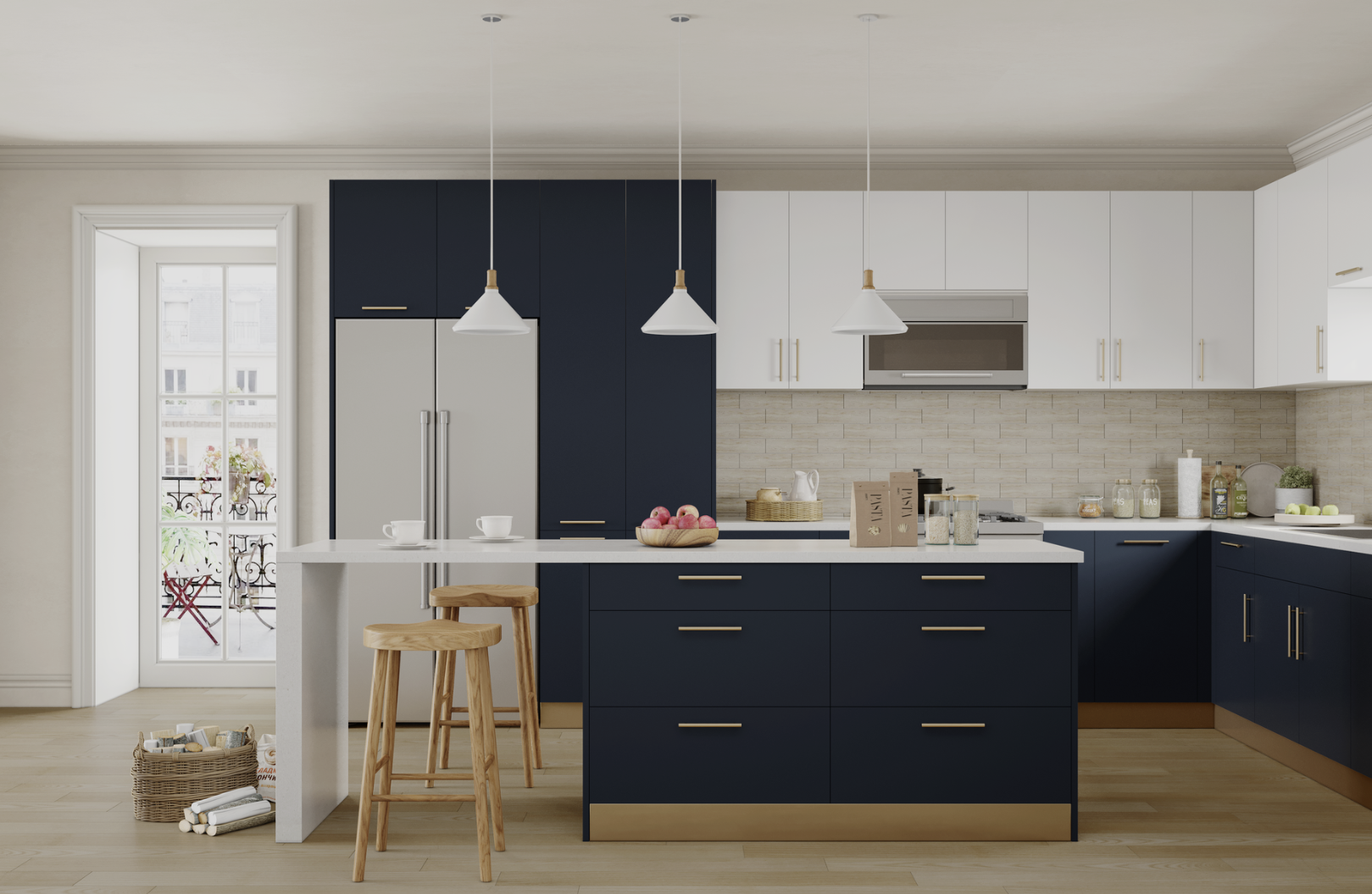
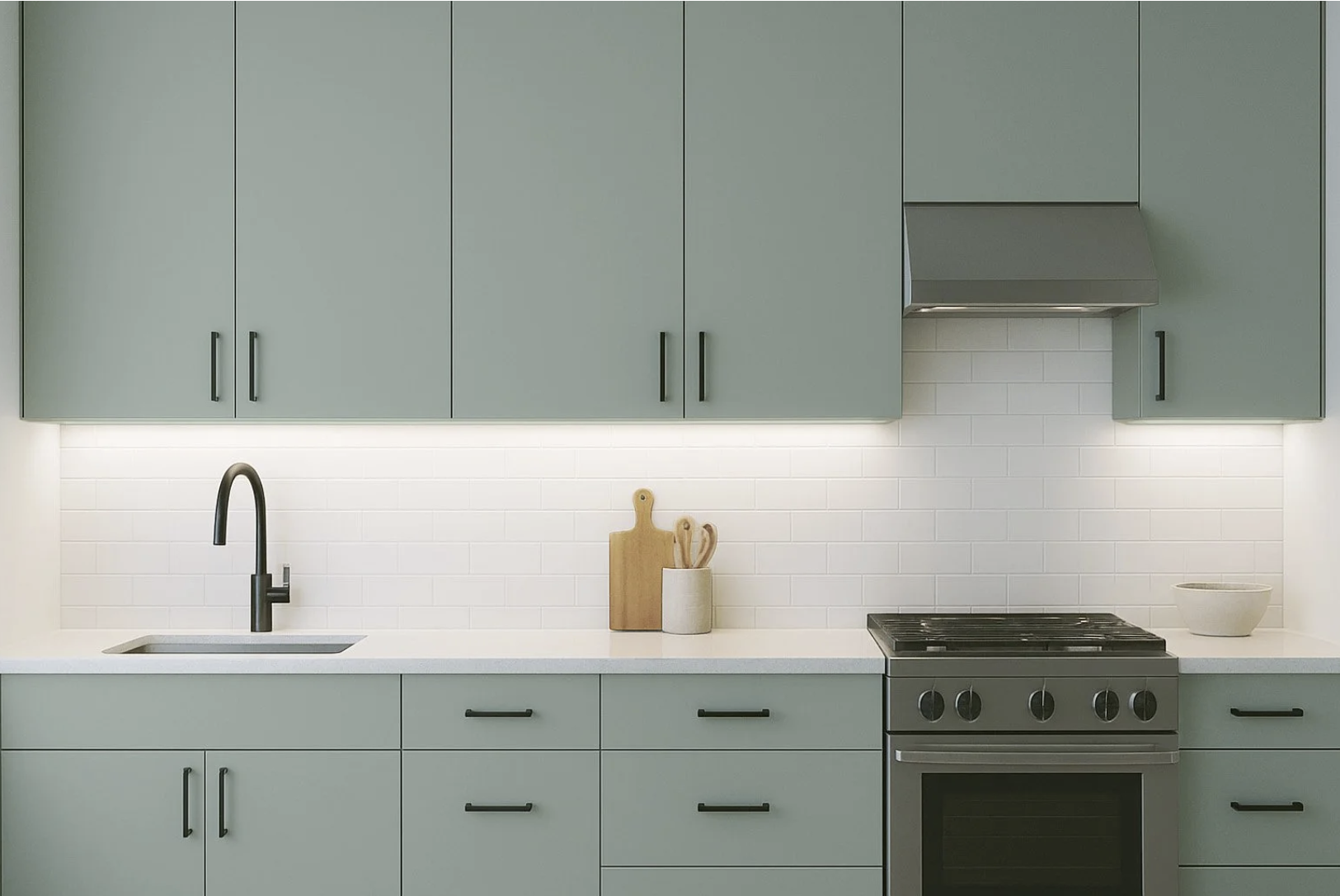
The future of interior design emphasizes cohesive storage planning across the entire home. Built-in bookcases are increasingly designed alongside kitchens, wardrobes, and media units to ensure visual and functional consistency.
This integrated approach can be seen in cabinetry systems developed by manufacturers such as goldenhome, where bookcases are part of a unified home storage strategy rather than isolated features.

Impact on Home Value and Buyer Perception
Homes with thoughtfully designed built-in storage feel more complete and intentional. Buyers often perceive built-in bookcases as a sign of quality craftsmanship and careful planning.
These features:
- Enhance architectural character
- Improve daily usability
- Reduce furnishing costs for buyers
- Strengthen emotional appeal during showings
Who Should Invest in Built-in Bookcases?
Built-in bookcases are particularly valuable for:
- Homeowners seeking long-term design solutions
- Builders aiming to differentiate new builds
- Renovation projects focused on resale value
- High-end residential and custom homes
Conclusion
The future of the built-in bookcase lies in integration, flexibility, and refined design. As homes continue to evolve, built-in bookcases will remain a key element in creating organized, elegant, and highly functional interiors.
By embracing modern materials, smart layouts, and whole-home planning, built-in bookcases deliver lasting value—both visually and practically—for today’s homes and tomorrow’s lifestyles.