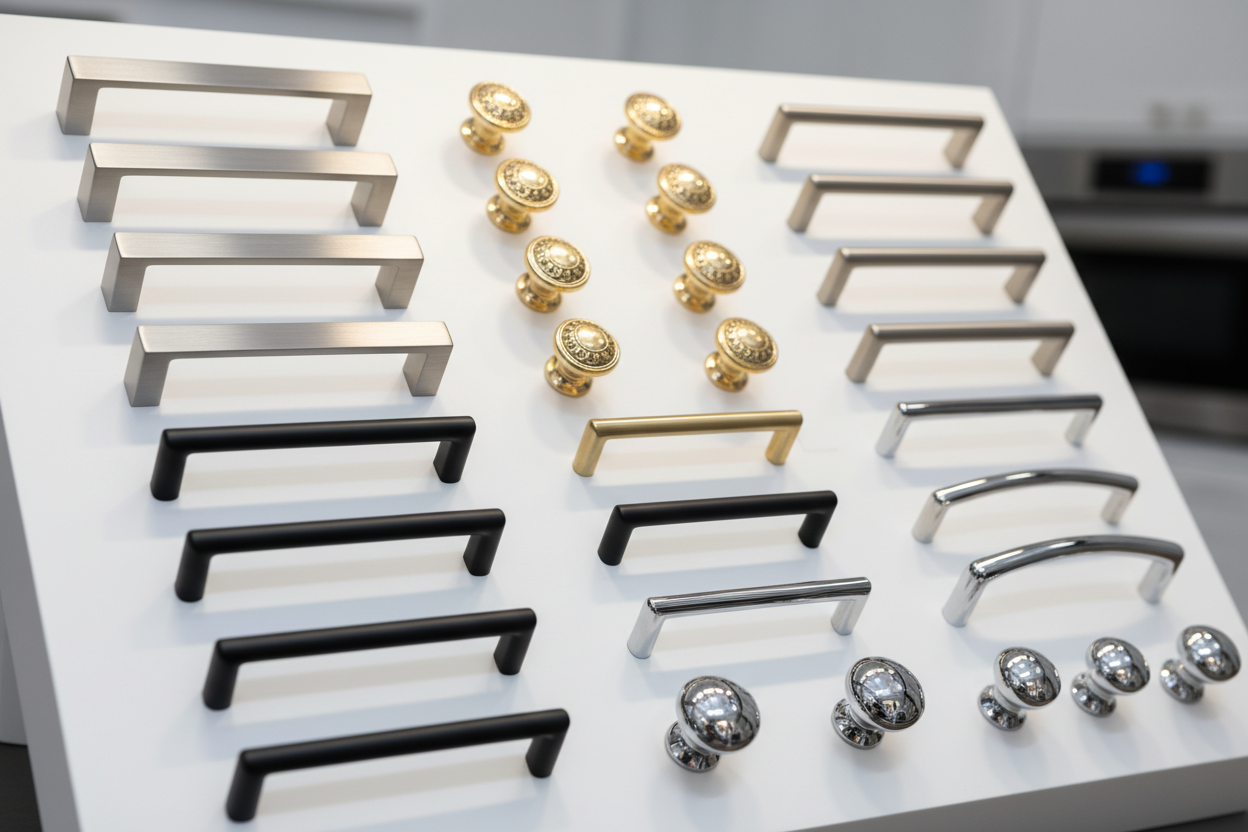
Why Proper Cabinet Hardware Placement Matters
Even premium cabinet hardware can look wrong if it is poorly placed. Incorrect placement affects not only appearance, but also comfort, cabinet longevity, and user experience.
Consistent and well-planned hardware placement creates visual order, improves ergonomics, and gives cabinetry a professional, finished look.

General Principles of Cabinet Hardware Placement
Before looking at measurements, it is important to understand the guiding principles:
- Placement should support natural hand movement
- Hardware must align visually across cabinets
- Function takes priority over decoration
- Consistency is more important than exact numbers
These principles apply to kitchens, bathrooms, wardrobes, and storage systems.
Kitchen Cabinet Hardware Placement Basics
Kitchen cabinet hardware placement follows fairly standardized logic due to frequent use and ergonomic demands.
In kitchens, hardware is typically placed close to the edge where the door opens, allowing easy grip without twisting the wrist.
Placement for Cabinet Doors
For cabinet doors, hardware is usually placed on the opposite side of the hinges:
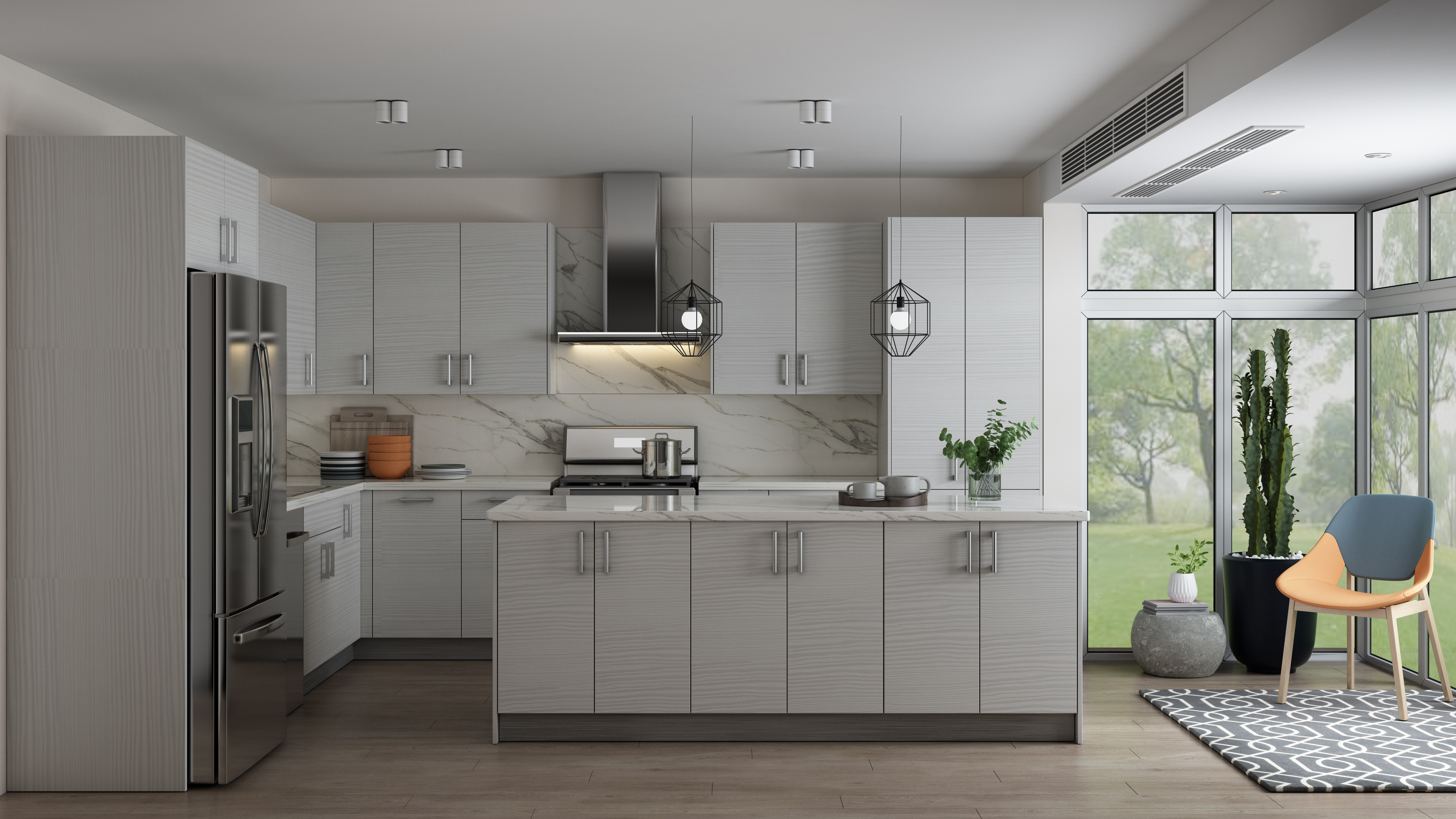
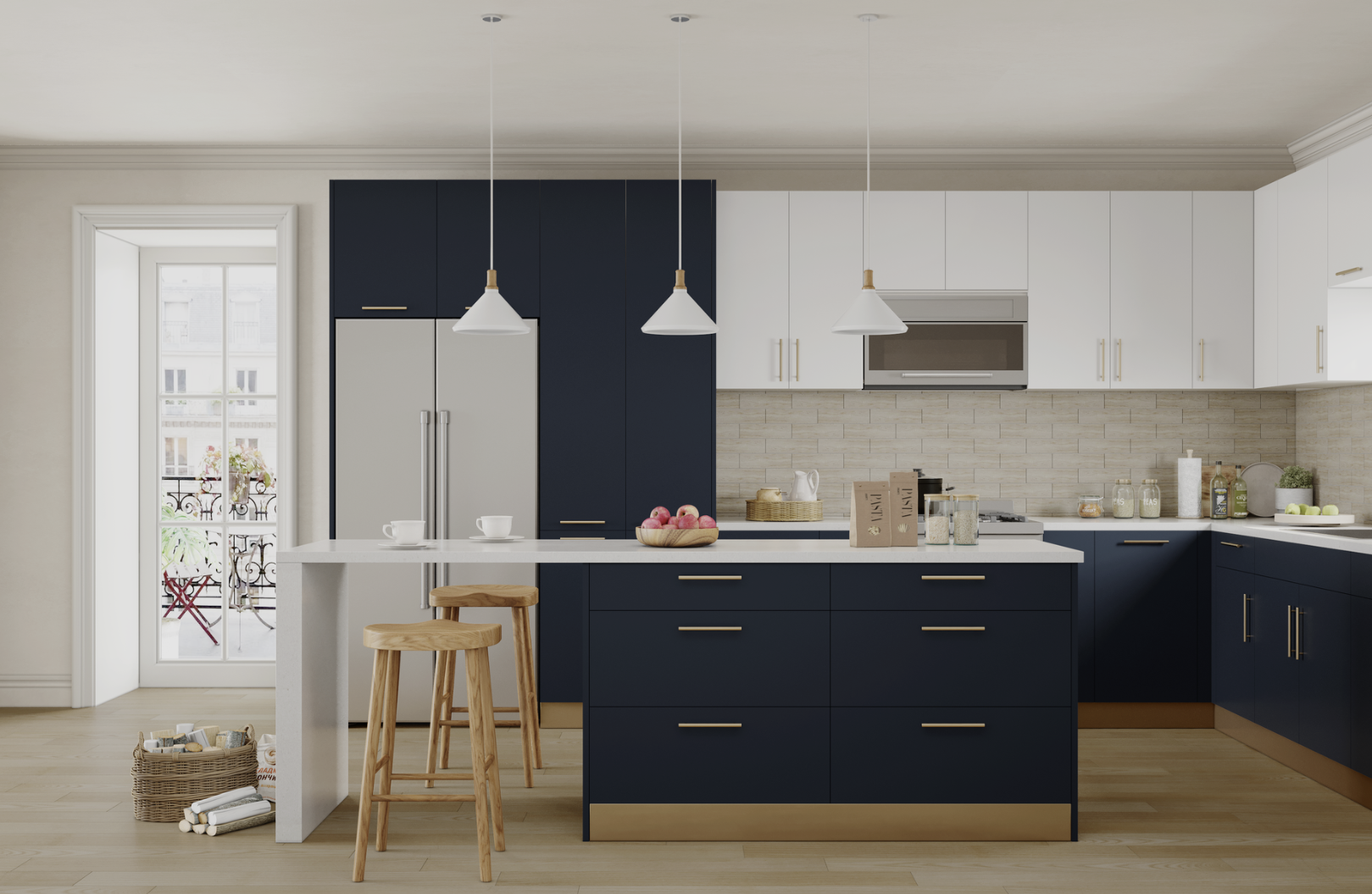
- Upper cabinets: Hardware near the lower corner
- Base cabinets: Hardware near the upper corner
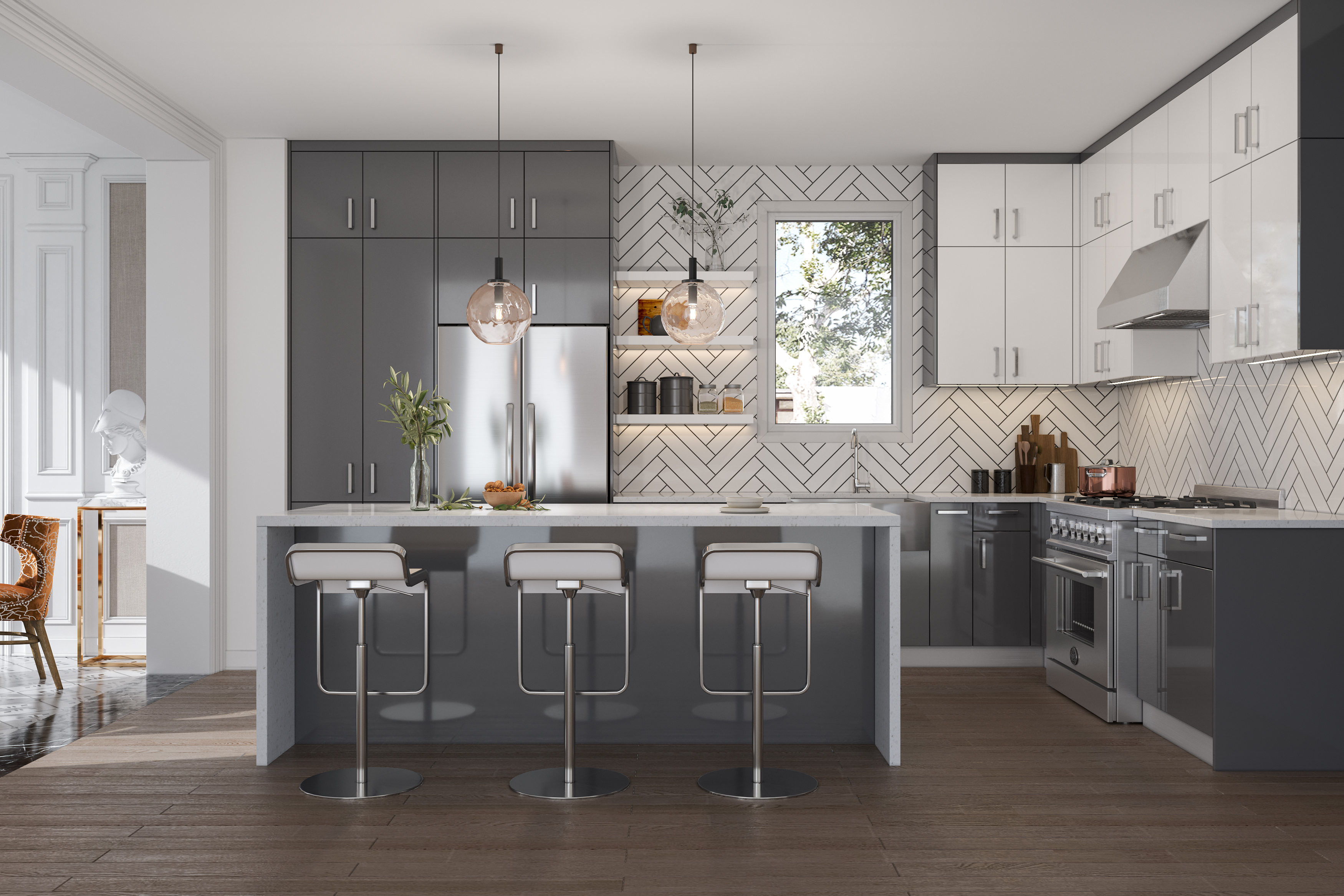
- Tall cabinets: Vertical pulls centered for balance
This placement minimizes strain and keeps movement intuitive.
Standard Measurements for Door Hardware
A common guideline is placing knobs or pulls approximately 50–75 mm (2–3 inches) from the cabinet door edge, measured from both the side and top or bottom edge.
The exact distance may vary based on door size, door style, and hardware scale, but uniform spacing across all doors is essential.
Placement for Drawer Hardware
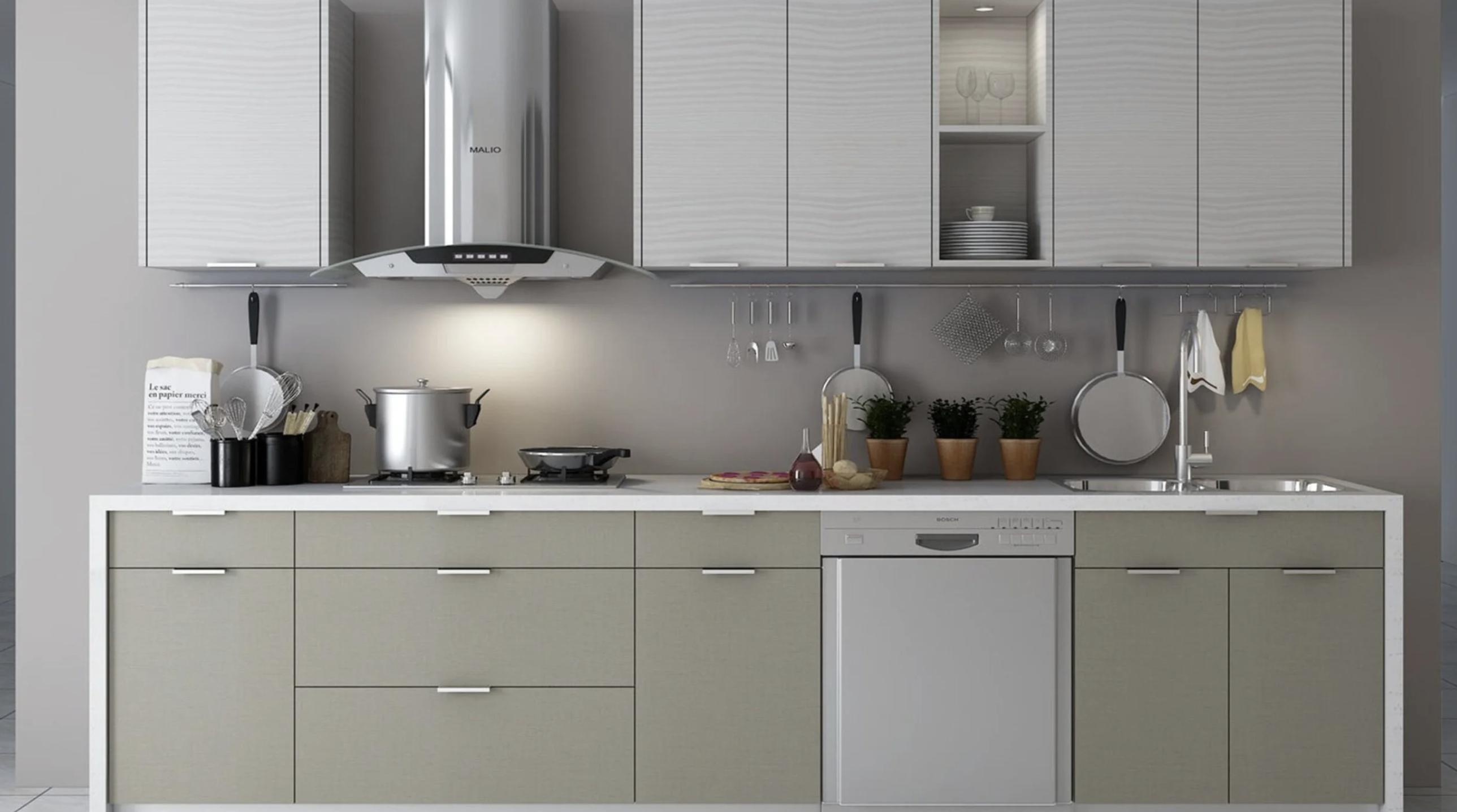
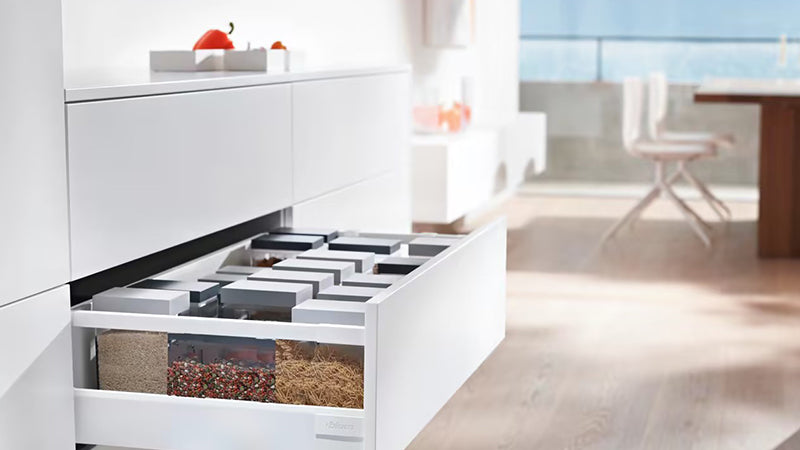
Drawers typically use pulls rather than knobs. Hardware is most often centered horizontally on the drawer front.
For vertical placement:
- Small drawers: centered vertically
- Medium drawers: centered or slightly above center
- Large/deep drawers: centered for balanced force distribution
Long Pulls and Wide Drawers
Wide drawers benefit from longer pulls that visually match their scale. The pull length should generally be one-third to two-thirds of the drawer width.
This improves both aesthetics and leverage when opening heavy drawers.
Vertical vs Horizontal Hardware Orientation
Orientation should match function:
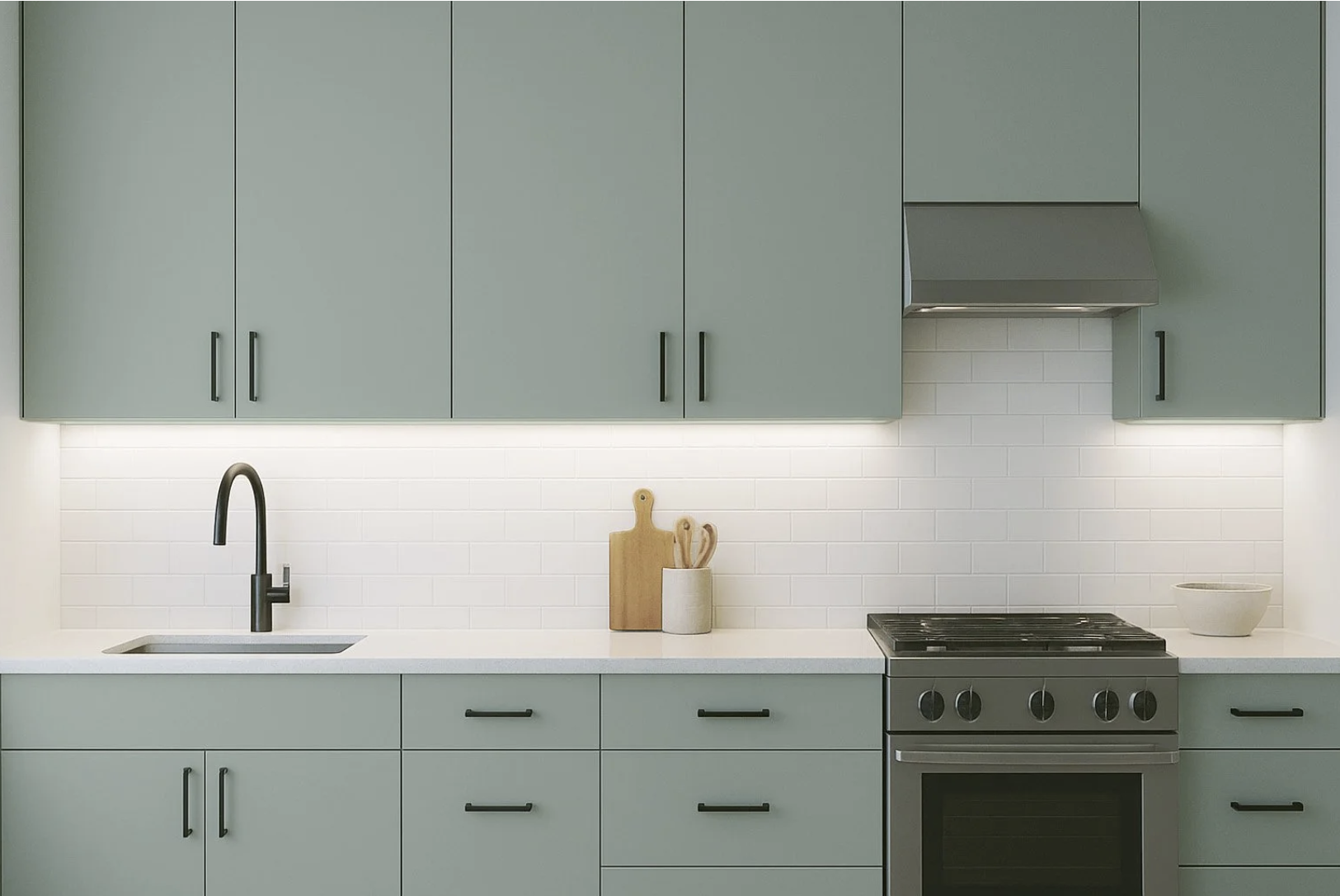
- Vertical pulls: Tall doors and pantry cabinets
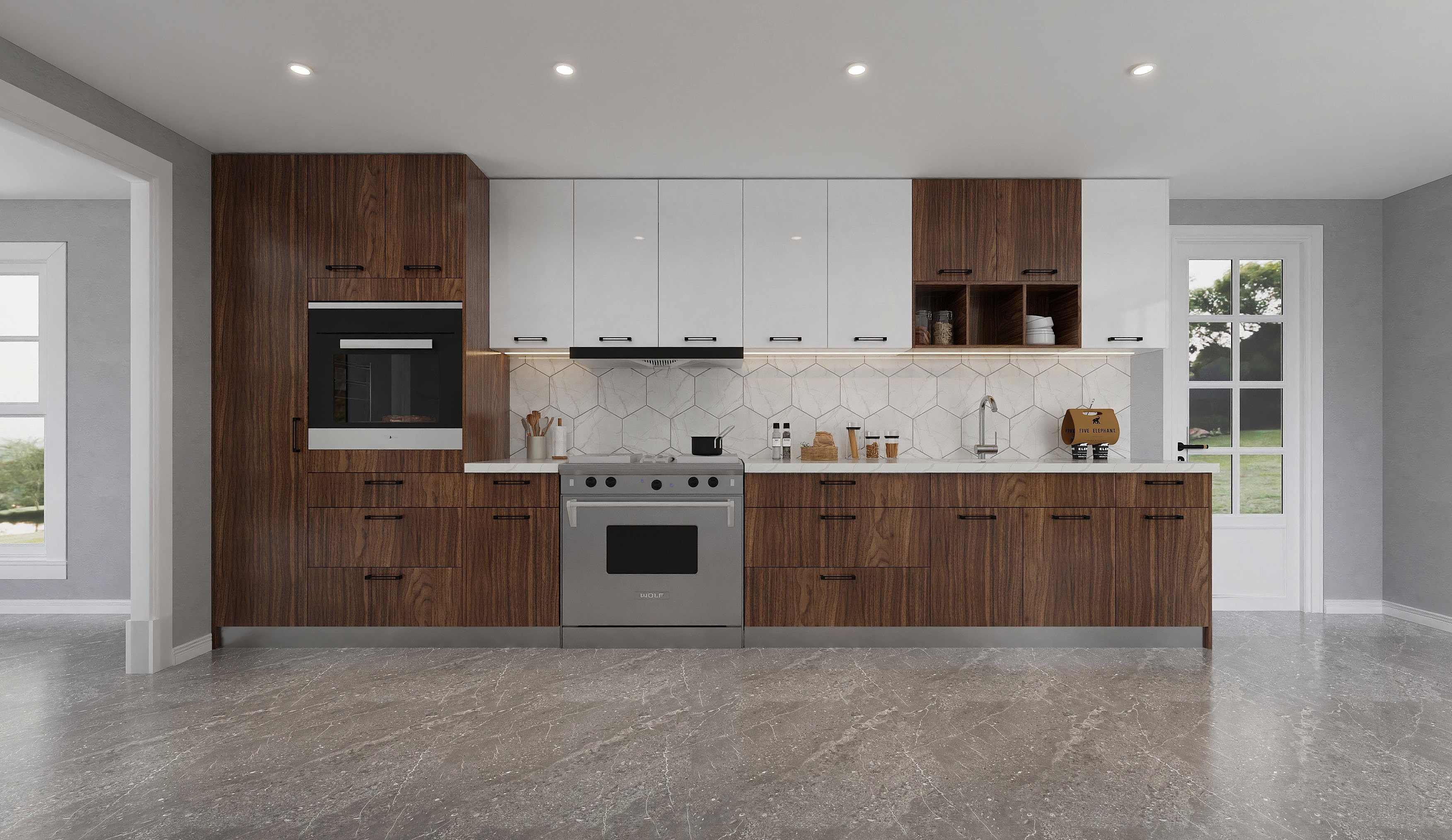
- Horizontal pulls: Drawers and wide cabinet doors
Mixing orientations is common, but placement should feel intentional and balanced.
Consistency Across the Entire Kitchen
One of the most common mistakes in cabinet hardware placement is inconsistency. Even small variations are noticeable once all cabinets are installed.
Using templates or jigs during installation ensures uniform placement across all doors and drawers.
Placement for Handle-less and Integrated Hardware
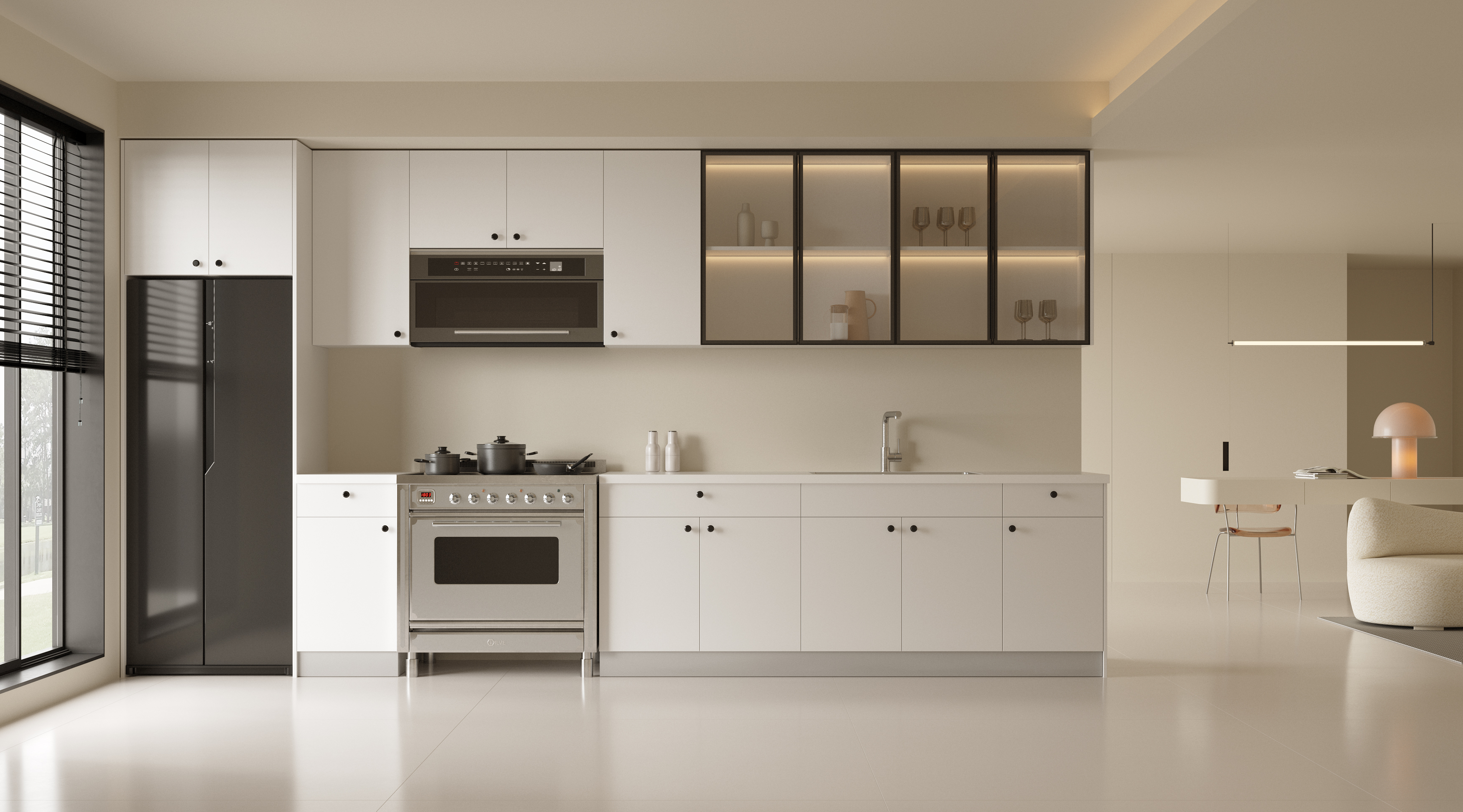
Modern kitchens may use integrated finger pulls, edge pulls, or push-to-open systems. In these cases, placement is built into cabinet design rather than added later.
This requires precise coordination between cabinet construction and hardware selection.
Ergonomic Considerations
Hardware should feel comfortable for all users. Placement that is too high, too low, or too far from the opening edge increases strain.
For households with children or elderly users, slightly lower placement on upper cabinets can improve accessibility.
Common Cabinet Hardware Placement Mistakes
- Inconsistent spacing between cabinets
- Hardware placed too far from the opening edge
- Using knobs on heavy drawers
- Ignoring cabinet proportions
Custom Cabinetry and Pre-Planned Hardware Placement
In custom cabinetry, hardware placement is planned during the design phase. This allows reinforcement behind mounting points and ensures perfect alignment.
Pre-planned placement reduces installation errors and improves long-term durability.

GoldenHome’s Hardware Placement Standards
With extensive experience in integrated cabinetry systems, goldenhome incorporates cabinet hardware placement standards into cabinet design and production. This ensures accurate positioning, consistent alignment, and reliable performance across residential and project-based installations.
Final Checklist Before Installation
- Confirm hardware type and size
- Test placement on a sample door or drawer
- Measure and mark consistently
- Use installation templates or guides
Conclusion: Precision Creates a Professional Result
Correct cabinet hardware placement is a combination of measurement, ergonomics, and visual alignment. When done properly, it enhances comfort, protects cabinetry, and elevates the entire space.
By following clear placement rules and maintaining consistency, cabinet hardware becomes a seamless and functional part of well-designed cabinetry.