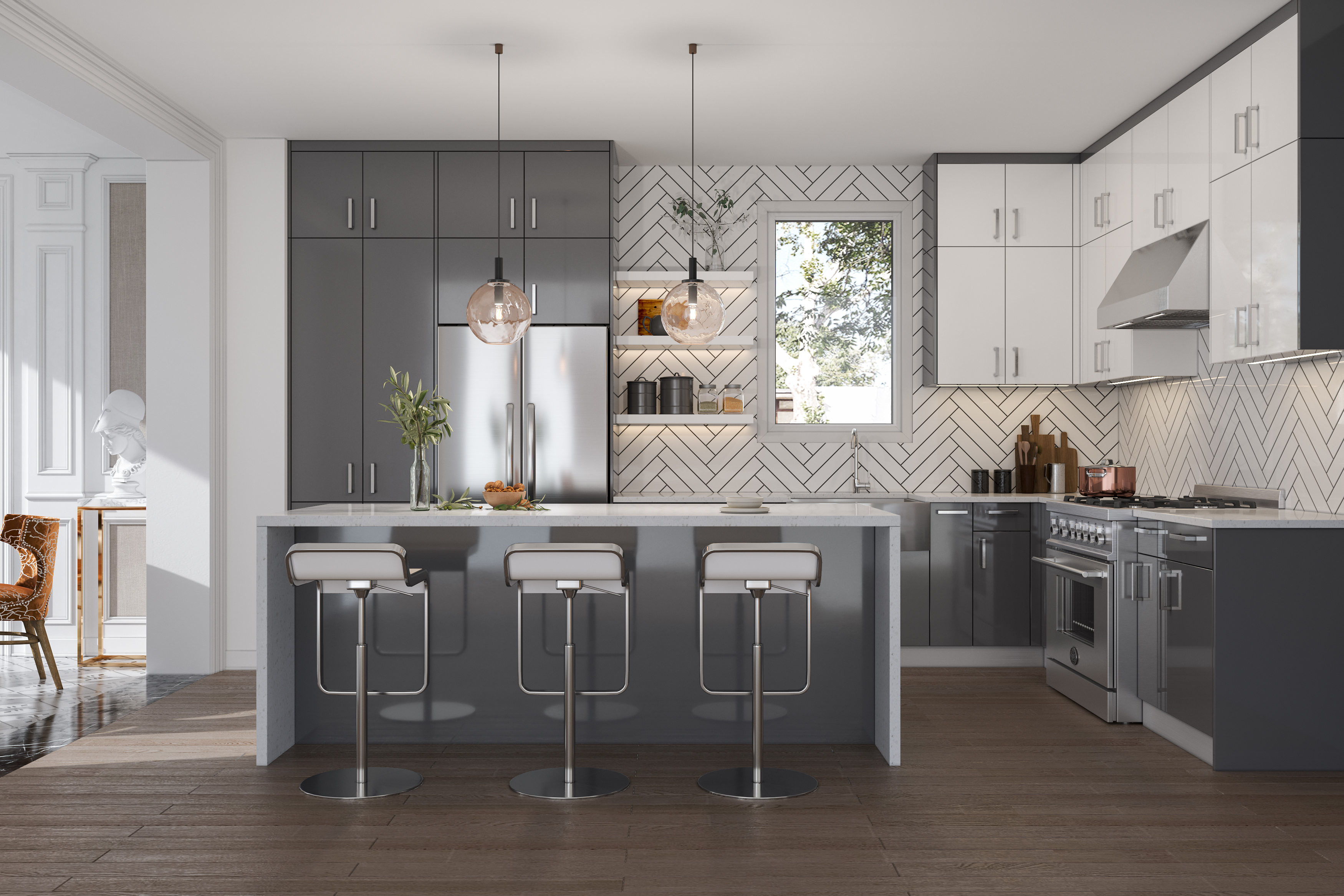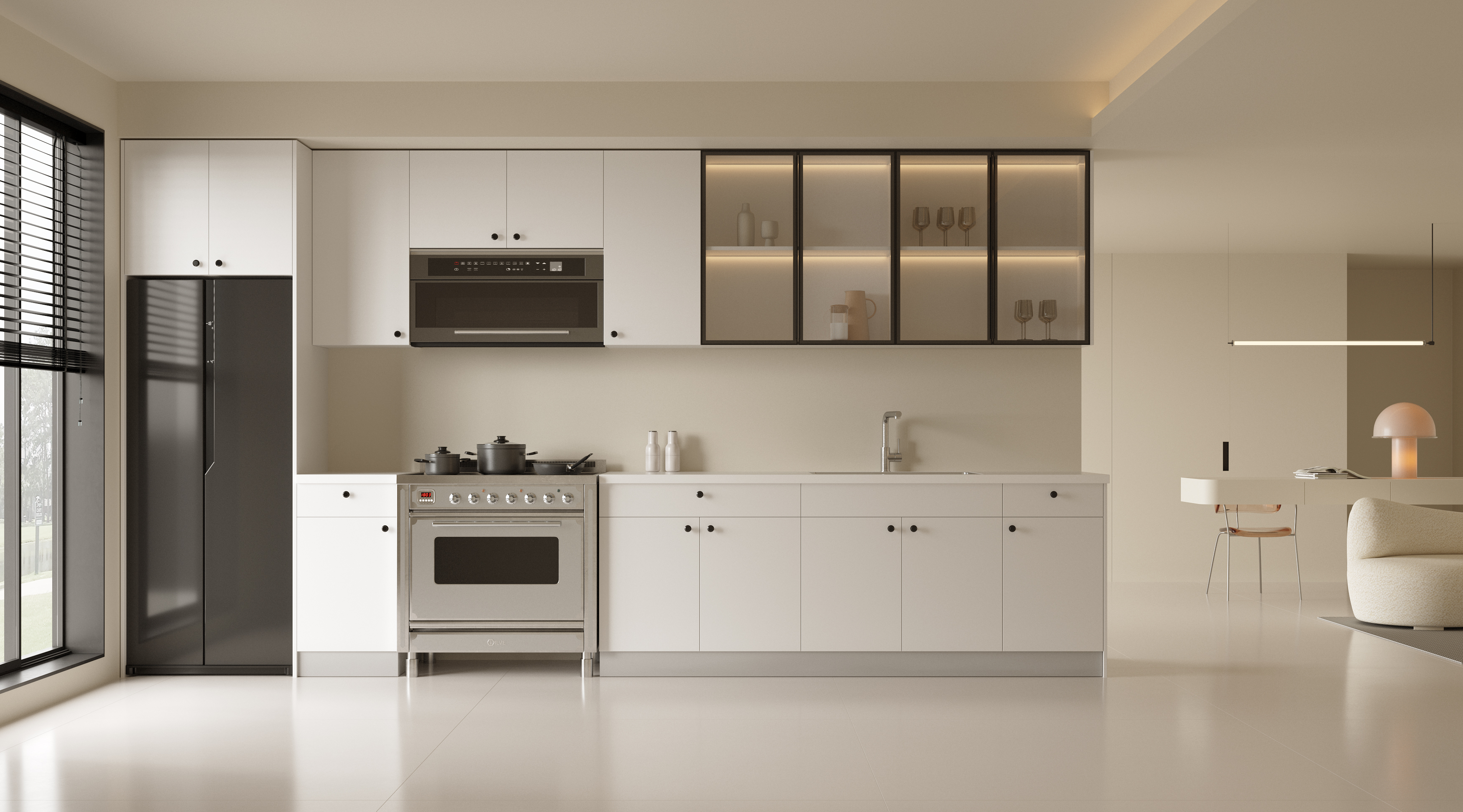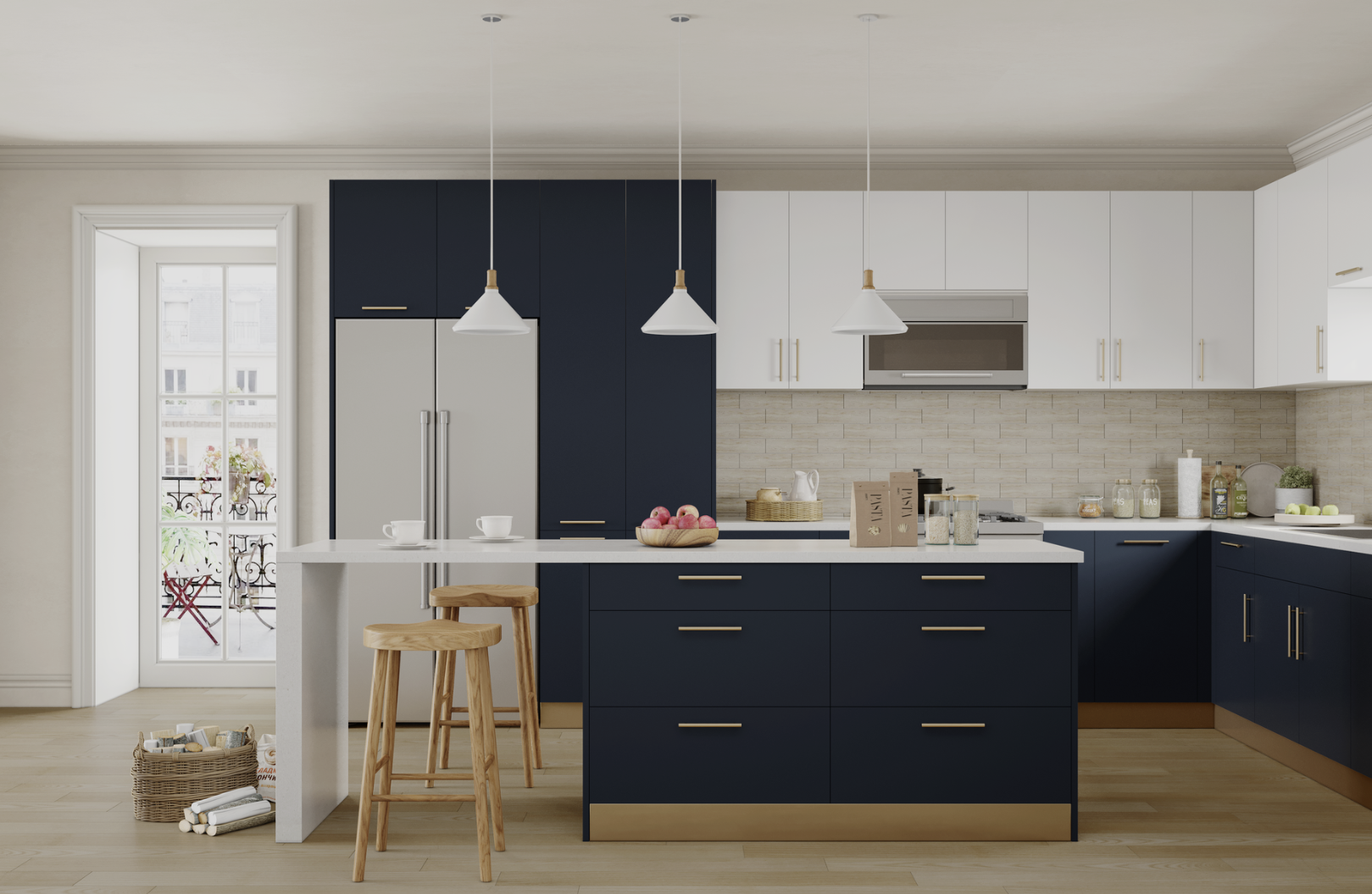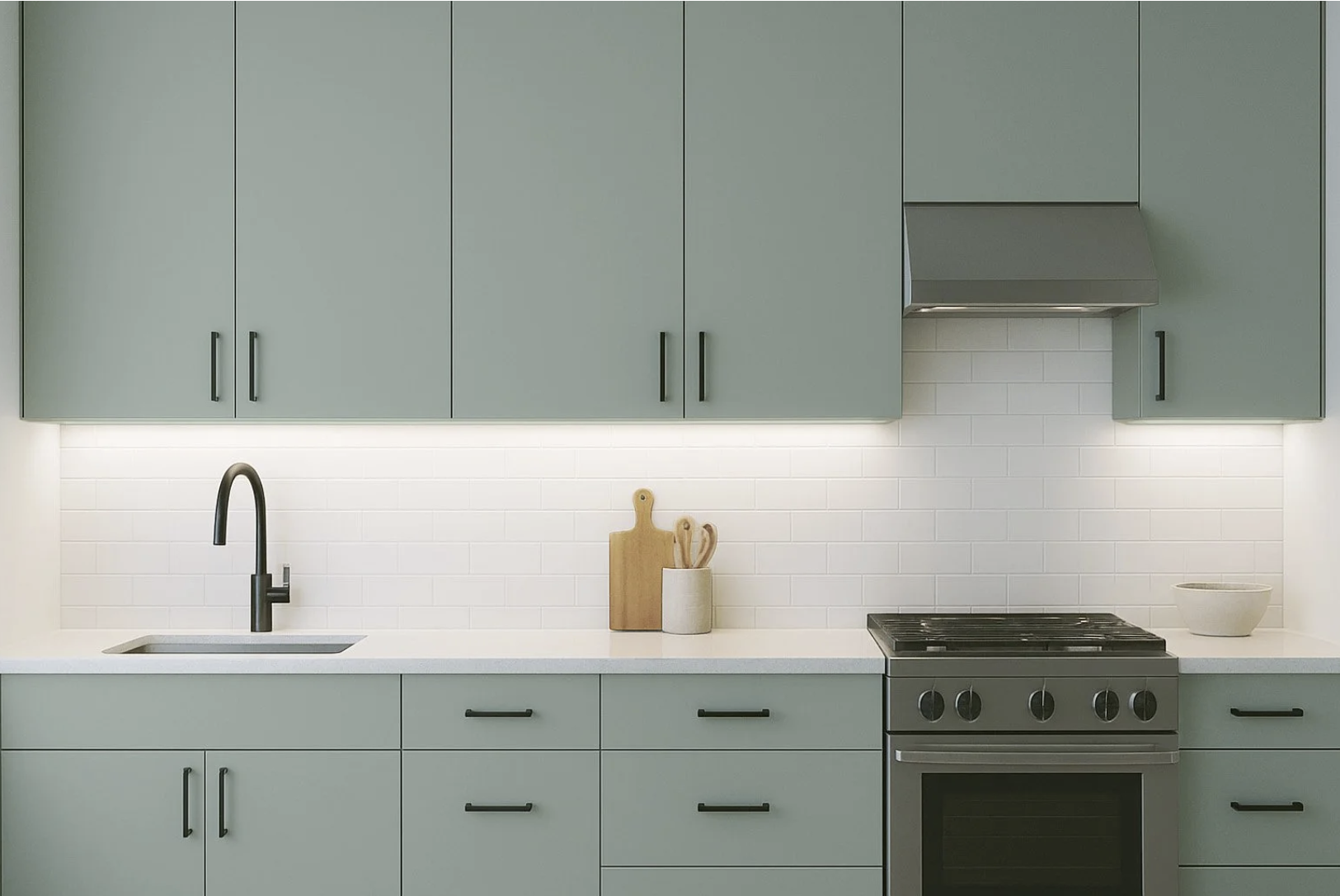
High end furniture stores play a strategic role in professional interior design and property development projects. For designers, developers, and procurement teams, furniture is not just a styling element—it is a critical component that affects project timelines, consistency, and overall positioning.
This article explores why professionals consistently choose high end furniture stores over mass-market or purely decorative brands, and how premium furniture solutions support complex residential and commercial projects.

The Professional Requirements Behind Furniture Selection
Unlike individual consumers, professionals evaluate furniture through a different lens.
- Consistency across multiple units or spaces
- Reliable quality and predictable performance
- Clear specifications and technical support
- Stable supply and delivery timelines
High end furniture stores are structured to meet these demands.
Why High End Furniture Stores Fit Professional Projects
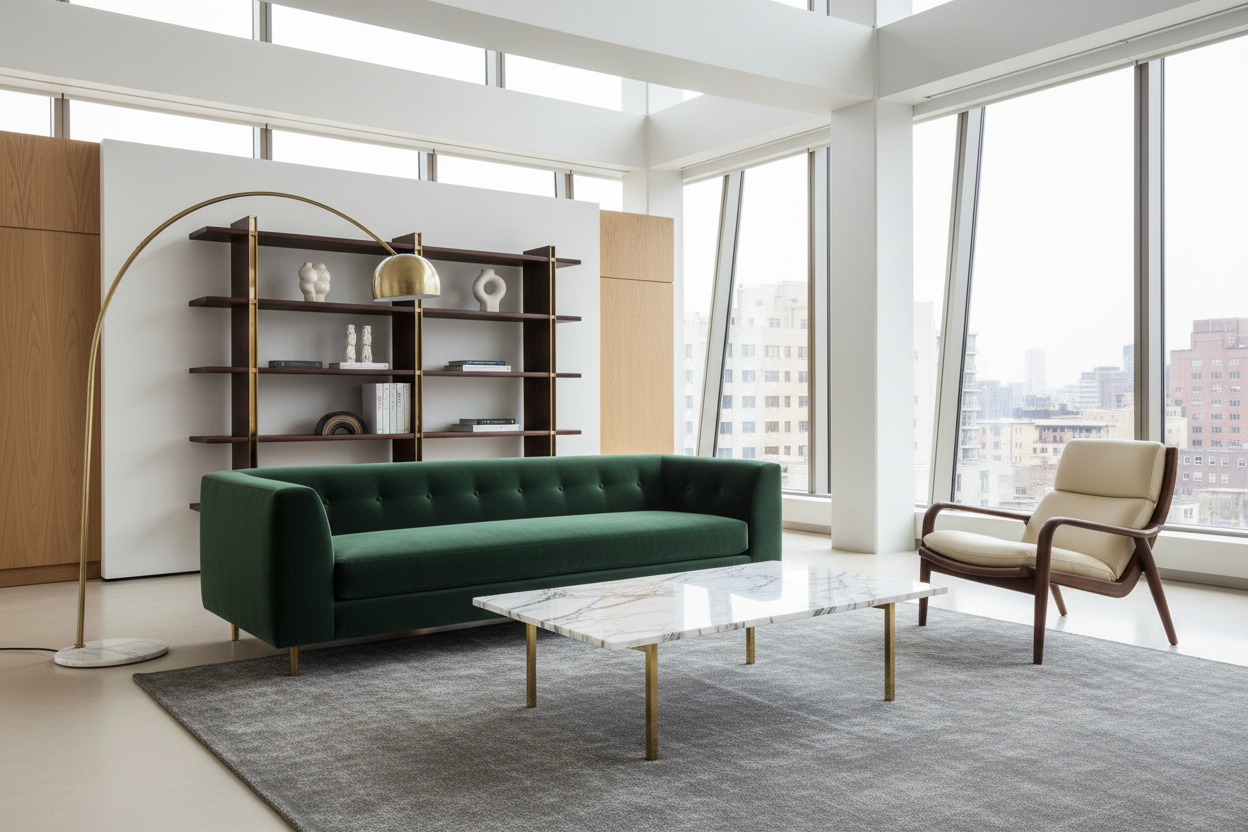
High end furniture stores bridge the gap between bespoke craftsmanship and scalable production.
- System-based collections rather than isolated pieces
- Standardized quality control processes
- Design coherence across product lines
This allows professionals to maintain design intent while managing complexity.
High End Furniture in Residential Developments
In residential projects, furniture contributes directly to perceived property value.
- Model units and show flats benefit from premium furniture
- High end furnishings strengthen brand positioning
- Consistent design language across units builds trust
Developers often rely on high end furniture stores to support premium project narratives.
Supporting Interior Designers with Reliable Furniture Systems
Interior designers require furniture that integrates seamlessly into their concepts.
- Neutral, adaptable design language
- Flexible configurations and finishes
- Clear dimensions and technical documentation
High end furniture stores provide designers with tools, not obstacles.
Customization Without Losing Control
Professional projects often require customization, but unlimited variation can create risk.
- Controlled customization options
- Finish and material libraries
- Modular product structures
This balance allows customization while protecting timelines and quality standards.
Quality Consistency Across Large-Scale Projects
One of the biggest challenges in development projects is consistency.
- Uniform finishes across batches
- Repeatable construction quality
- Predictable performance in daily use
High end furniture stores invest in manufacturing systems that support long-term consistency.
Logistics, Coordination, and After-Sales Support
Professional buyers value reliability beyond the showroom.
- Clear production and delivery schedules
- Dedicated project coordination
- After-sales support and replacement services
These services reduce risk and protect project outcomes.
Why Developers Prefer High End Furniture Over Pure Luxury Brands
While luxury furniture brands offer prestige, they may not suit large-scale projects.
- Limited scalability
- Long lead times
- Inconsistent availability
High end furniture stores offer a balance of premium quality and operational reliability.
Global Manufacturing and System-Based Solutions
Leading high end furniture brands operate advanced manufacturing facilities.
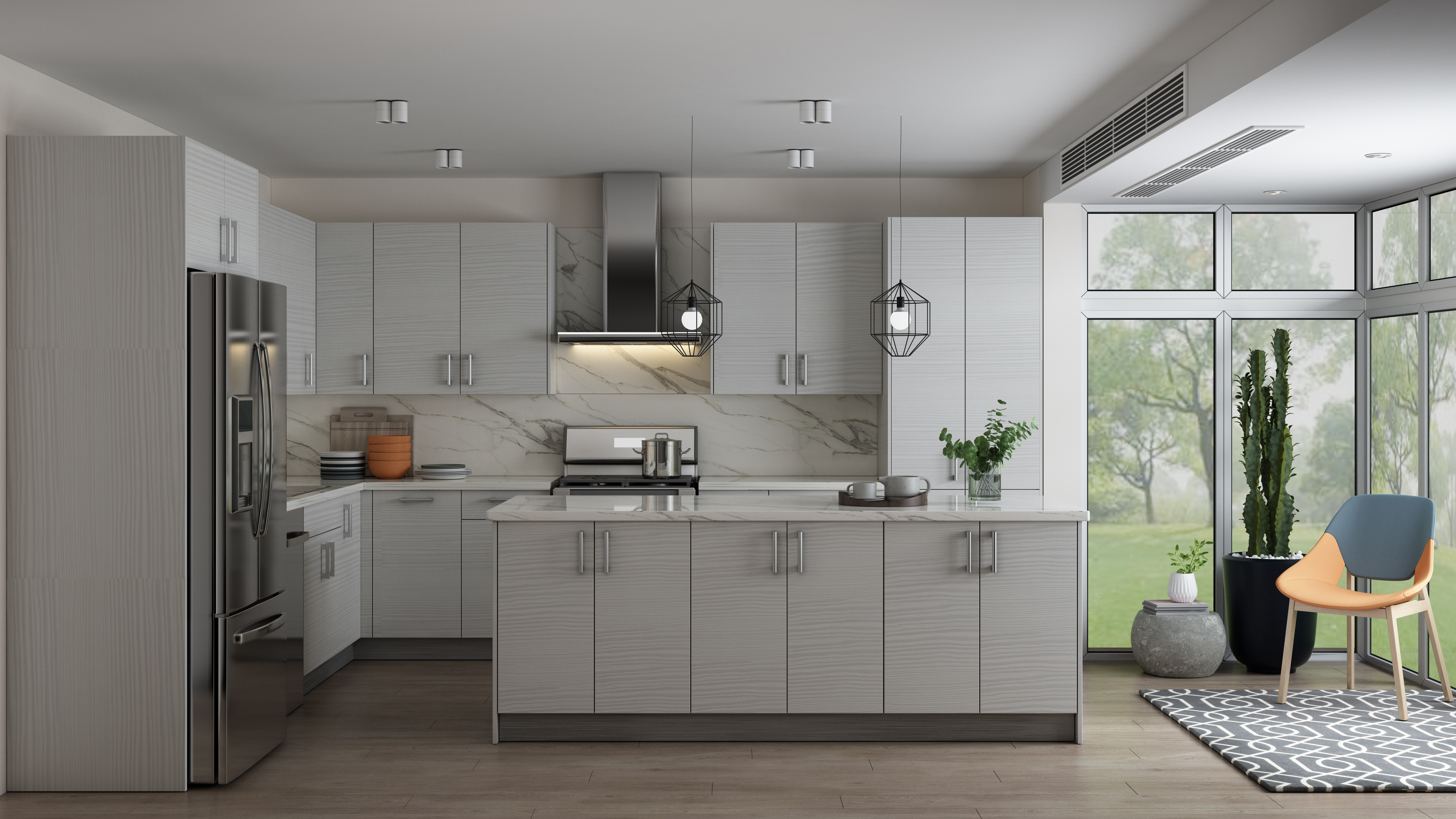
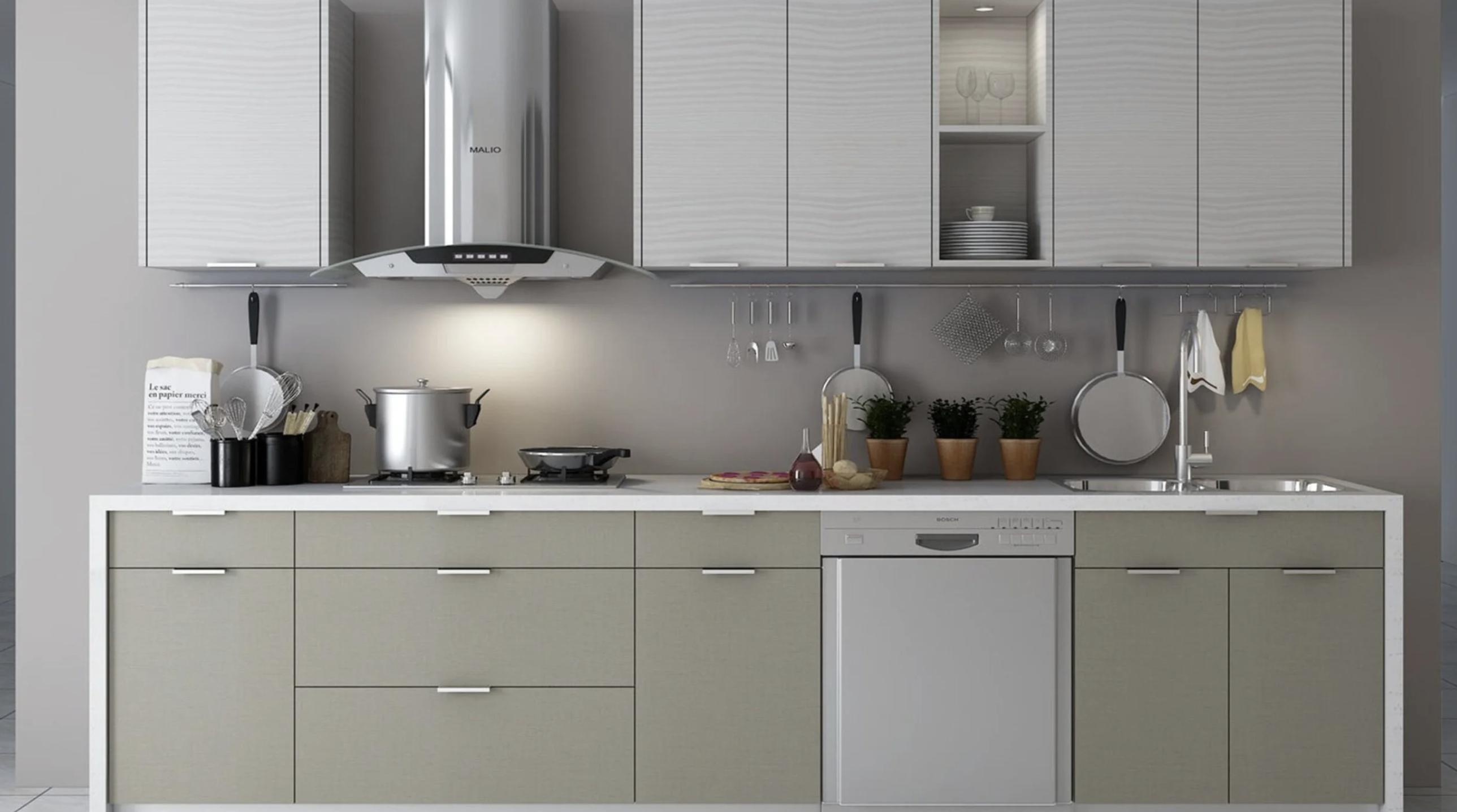
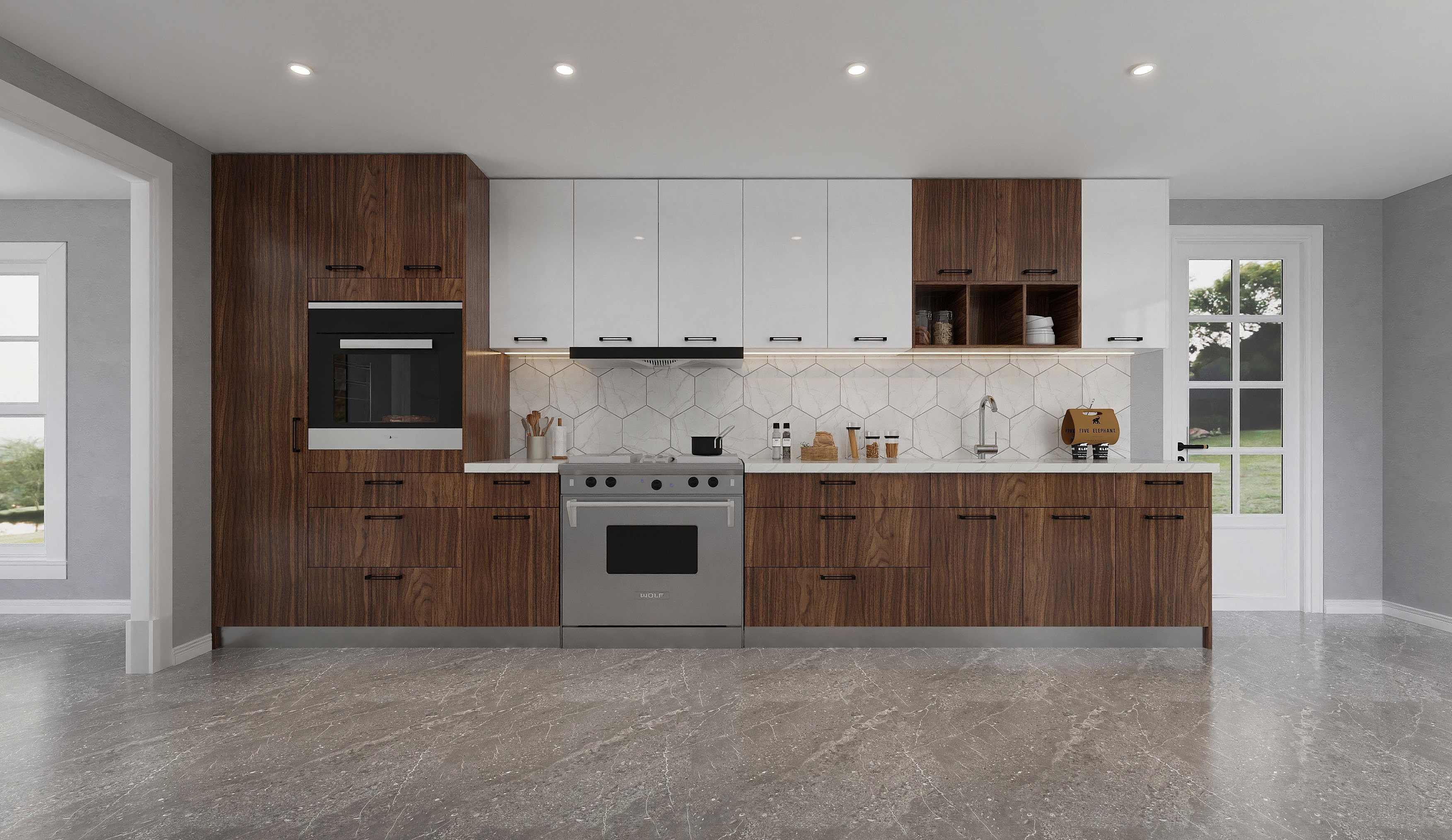
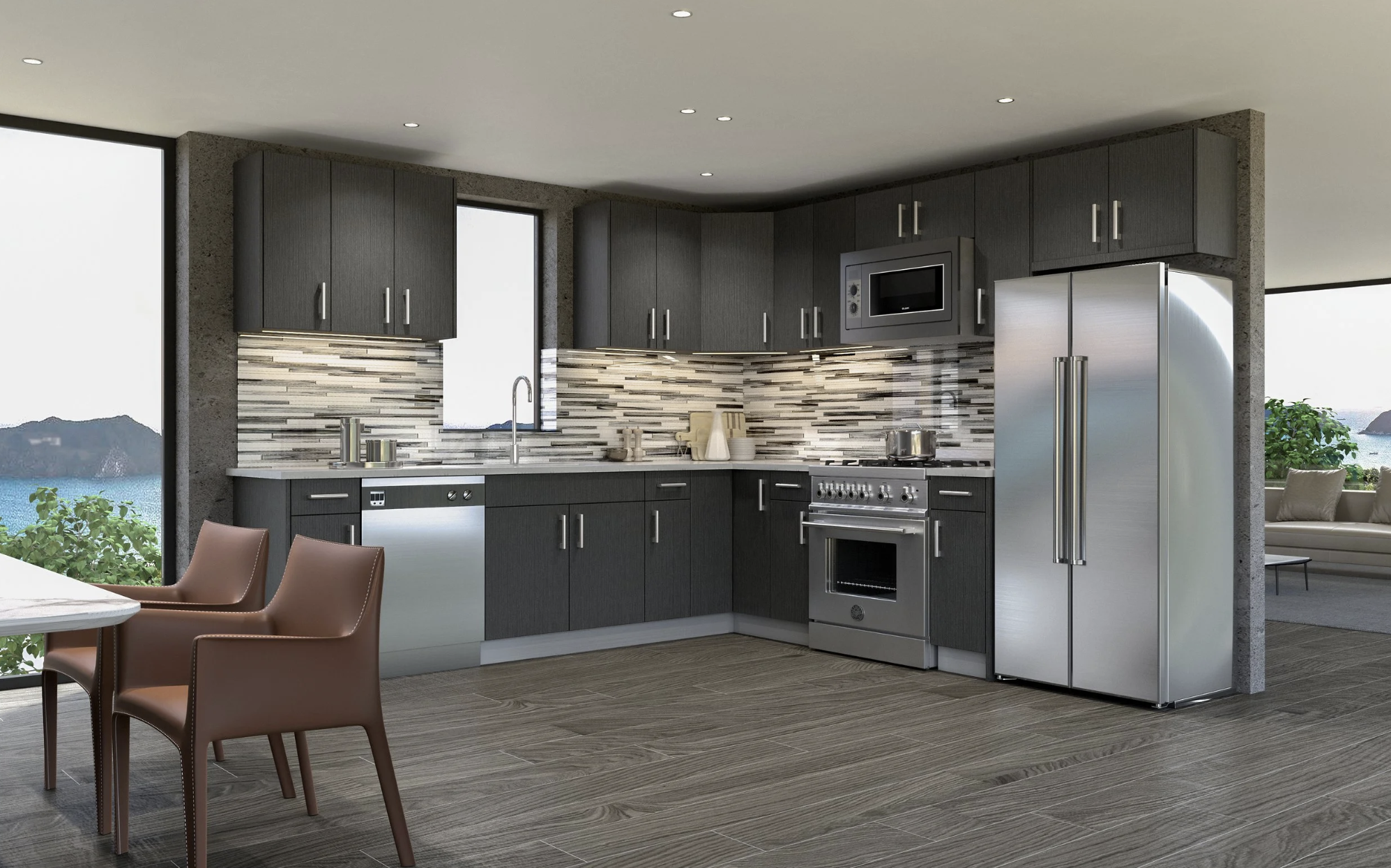
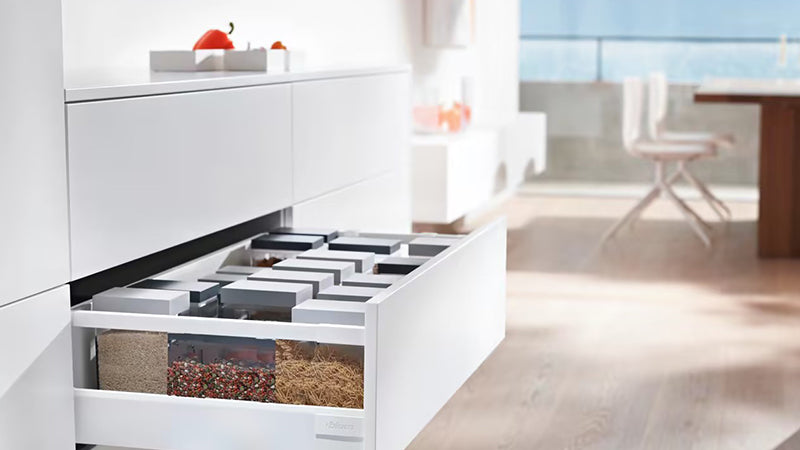
Companies like Goldenhome integrate furniture with broader home solutions, allowing developers and designers to coordinate kitchens, wardrobes, and furniture under a unified system.

High End Furniture Stores as Long-Term Partners
For professionals, furniture suppliers are not one-time vendors—they are long-term partners.
- Support for multiple project phases
- Scalable solutions for growing portfolios
- Consistent brand alignment
High end furniture stores are built for these long-term relationships.
Final Thoughts: Furniture That Supports Professional Success
High end furniture stores serve a critical role in professional design and development projects.
By offering reliable quality, scalable systems, and professional support, they enable designers and developers to deliver projects that meet both aesthetic and operational expectations.
In professional environments, furniture is not decoration—it is infrastructure.