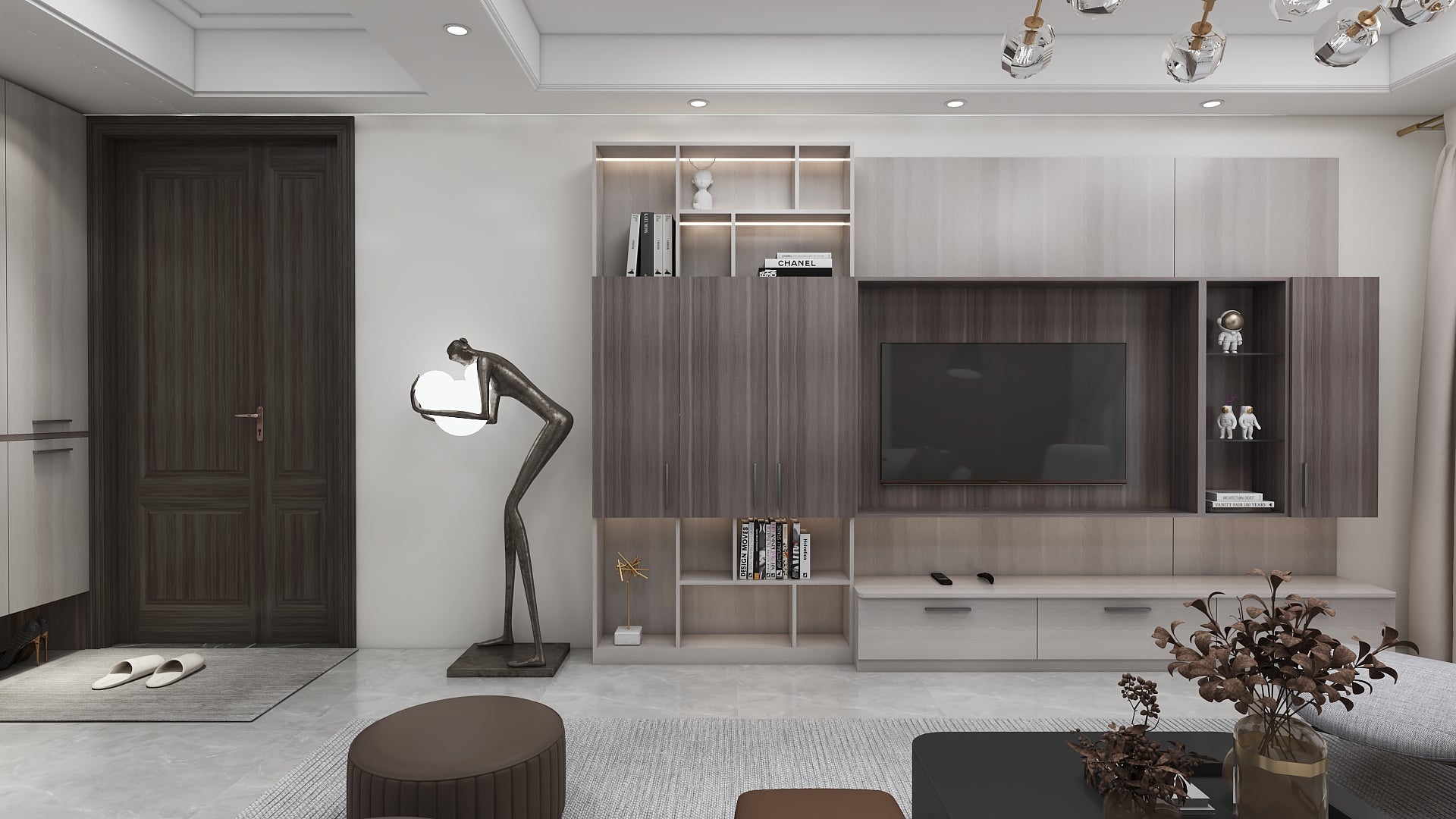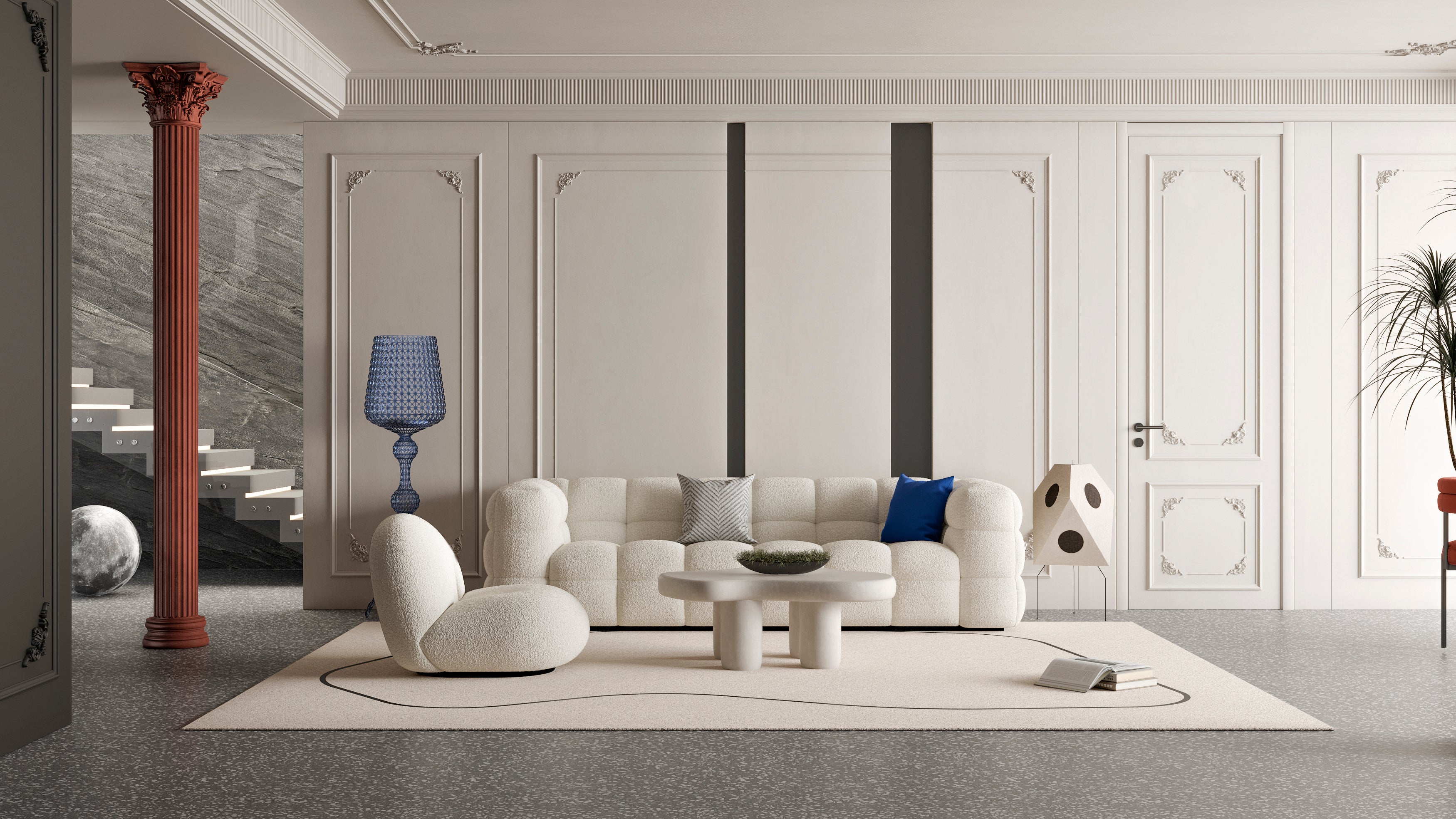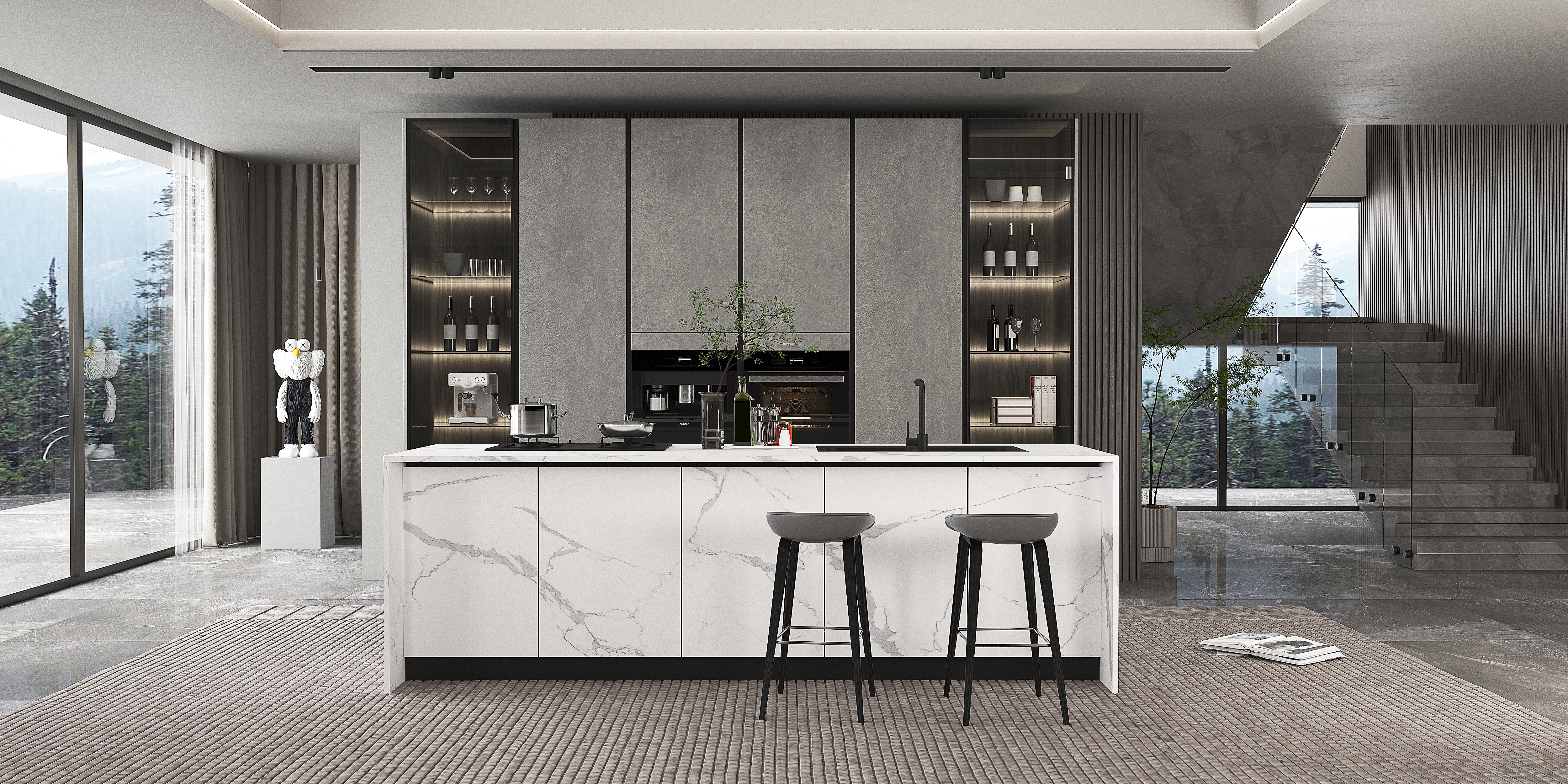
Understanding the Core of Custom Cabinets: Materials and Craftsmanship
When evaluating custom cabinets, design is only one part of the equation. The true value of custom cabinets lies in the materials used and the craftsmanship behind them. For cabinet distributors, kitchen dealers, contractors, and homeowners, understanding these elements is essential for making informed decisions.
High-quality custom cabinets not only enhance visual appeal but also ensure long-term durability and performance across residential and commercial projects.

Why Materials Matter in Custom Cabinets
- Determine durability and lifespan
- Influence overall aesthetics
- Affect resistance to moisture and wear
- Impact total project cost
Top Materials Used in Custom Cabinets
Modern custom cabinets utilize a range of materials, each with unique advantages depending on application and budget.
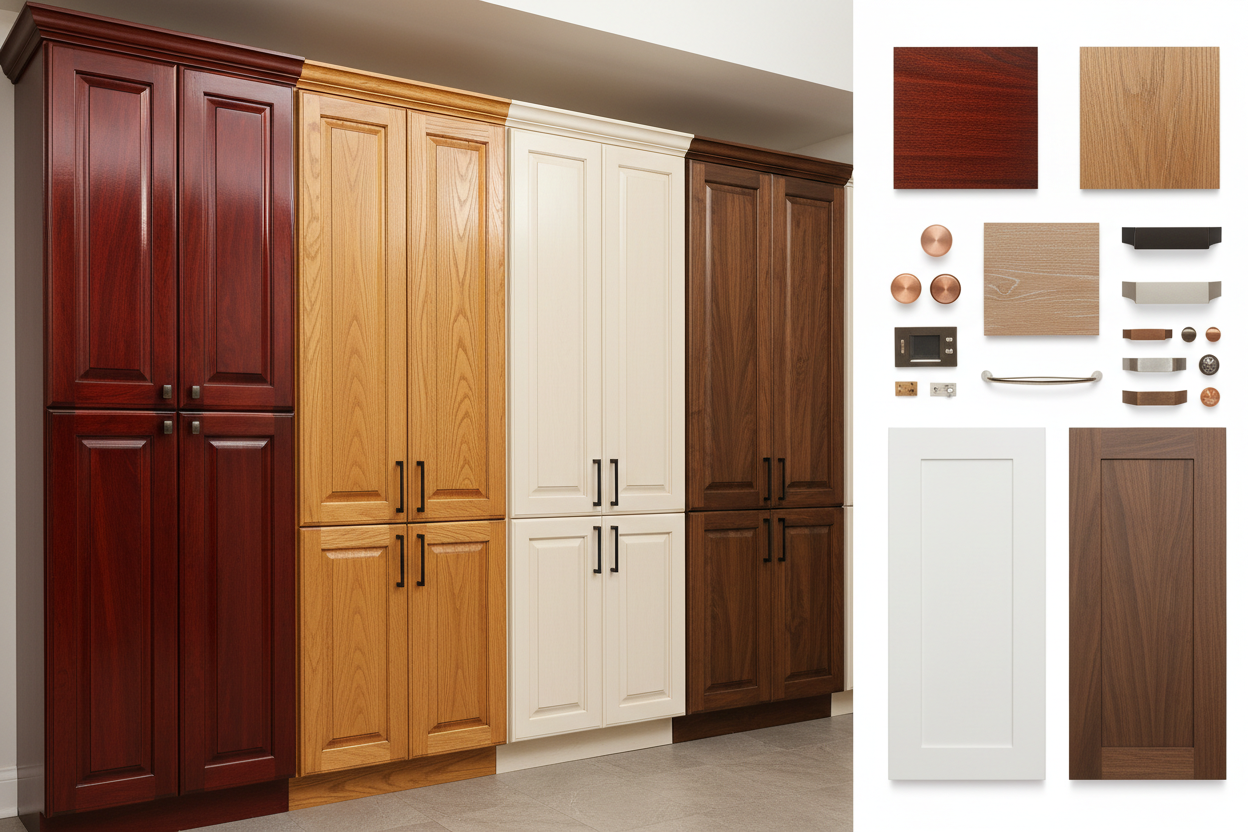
1. Solid Wood Cabinets
Solid wood remains the premium choice for custom cabinets. It offers natural beauty, strength, and long-term value.
- Common types: Oak, Maple, Walnut, Cherry
- Best for: High-end kitchens and luxury projects
2. Plywood Cabinets
Plywood is widely used in custom cabinets for its stability and resistance to warping.
- Layered construction improves strength
- Ideal for structural components
3. MDF (Medium Density Fiberboard)
MDF is a popular choice for painted custom cabinets due to its smooth surface.
- Perfect for modern finishes
- Cost-effective alternative to solid wood
4. Veneer and Laminate
These materials provide the look of natural wood or modern textures at a lower cost.
- Wide design flexibility
- Easy maintenance
High-Traffic Keywords Integrated
To align with search demand, custom cabinets content often includes related keywords such as:
- custom wood cabinets
- cabinet materials guide
- best wood for kitchen cabinets
These terms help attract both homeowners and professionals researching materials and construction methods.
Manufacturing Process Behind Custom Cabinets
The craftsmanship of custom cabinets is defined by advanced manufacturing techniques combined with skilled labor.
Step 1: Design and Engineering
Every project begins with detailed design plans, ensuring precise dimensions and functional layouts.
Step 2: Material Cutting and Processing
CNC machines are used to cut materials with high accuracy, reducing waste and ensuring consistency.
Step 3: Edge Banding and Assembly
Automated edge banding improves durability and enhances the finish of custom cabinets.
Step 4: Finishing and Coating
Advanced finishing techniques such as UV coating and spray painting ensure long-lasting surfaces.
Goldenhome, a global custom cabinetry manufacturer with over 27 years of experience, utilizes intelligent production lines and strict quality control systems to deliver precision-engineered custom cabinets for global markets.
How Craftsmanship Impacts Custom Cabinet Quality
Beyond materials, craftsmanship plays a critical role in the performance of custom cabinets.
Key Craftsmanship Factors
- Joinery techniques (dovetail, dowel, cam lock)
- Surface finishing consistency
- Hardware installation precision
- Alignment and structural stability
Poor craftsmanship can compromise even the best materials, making it essential to choose experienced manufacturers.

Custom Cabinets Finishes: Aesthetic Meets Functionality
Finishes not only define the look of custom cabinets but also protect surfaces from daily wear.
Popular Finish Types
- Matte finishes for modern interiors
- High-gloss lacquer for contemporary designs
- Wood grain finishes for natural aesthetics
- Textured finishes for unique visual appeal
Applications of Custom Cabinets Across Industries
Custom cabinets are widely used beyond residential kitchens.
Residential Applications
- Kitchens
- Bathrooms
- Closets
- Living room storage
Commercial Applications
- Hotels and hospitality projects
- Office spaces
- Retail environments
- Multi-family developments
Business Value of High-Quality Custom Cabinets
For industry professionals, investing in premium custom cabinets translates into measurable business benefits.
- Stronger brand positioning
- Higher customer satisfaction
- Increased repeat business
- Improved project profitability
How to Evaluate Custom Cabinet Quality
Before selecting a supplier, consider the following:
- Material certifications and sourcing
- Manufacturing technology
- Quality control processes
- Global project experience
FAQ: Custom Cabinets Materials and Craftsmanship
What is the best material for custom cabinets?
Solid wood and plywood are considered the best options for durability, while MDF is ideal for painted finishes.
Are plywood cabinets better than MDF?
Plywood offers better structural strength, while MDF provides a smoother surface for finishes.
How do I know if custom cabinets are high quality?
Look for strong joinery, consistent finishes, and precision manufacturing processes.
Do materials affect the cost of custom cabinets?
Yes, material choice is one of the biggest factors influencing overall cost.
Conclusion
Custom cabinets are defined by the materials and craftsmanship behind them. By understanding these critical factors, homeowners and professionals can make smarter decisions, ensuring long-lasting performance and superior design. As demand continues to grow, investing in high-quality custom cabinets remains a key strategy for success in both residential and commercial markets.