Introduction: Planning a Kitchen Cabinet Layout That Works
Designing the perfect kitchen cabinet layout is one of the most critical steps in creating a functional and visually appealing kitchen. A well-planned layout ensures efficient workflow, maximized storage, and long-term usability.
For homeowners, the right kitchen cabinet layout simplifies daily routines. For cabinet distributors, kitchen dealers, contractors, and real estate developers, it ensures customer satisfaction and project success.
This guide explores expert strategies to help you design a kitchen layout that balances performance, aesthetics, and value.

Step 1: Understand Your Kitchen Space
Measure and Analyze the Layout
The first step in planning a kitchen cabinet layout is understanding the available space. Accurate measurements are essential.
- Measure wall lengths and ceiling height
- Identify door and window positions
- Locate plumbing and electrical points
This information forms the foundation for effective kitchen layout design.
Evaluate Traffic Flow
Consider how people move within the kitchen. A good kitchen cabinet layout should allow smooth movement without obstruction.
- Avoid narrow walkways
- Ensure enough clearance between cabinets
- Plan for multiple users if necessary
Step 2: Apply the Kitchen Work Triangle
The work triangle is a key concept in kitchen cabinet layout planning. It connects the sink, stove, and refrigerator.
- Minimizes walking distance
- Improves cooking efficiency
- Enhances overall workflow
While modern kitchens may adapt this concept, it remains a reliable guideline for effective layouts.
Step 3: Choose the Right Kitchen Cabinet Layout Type
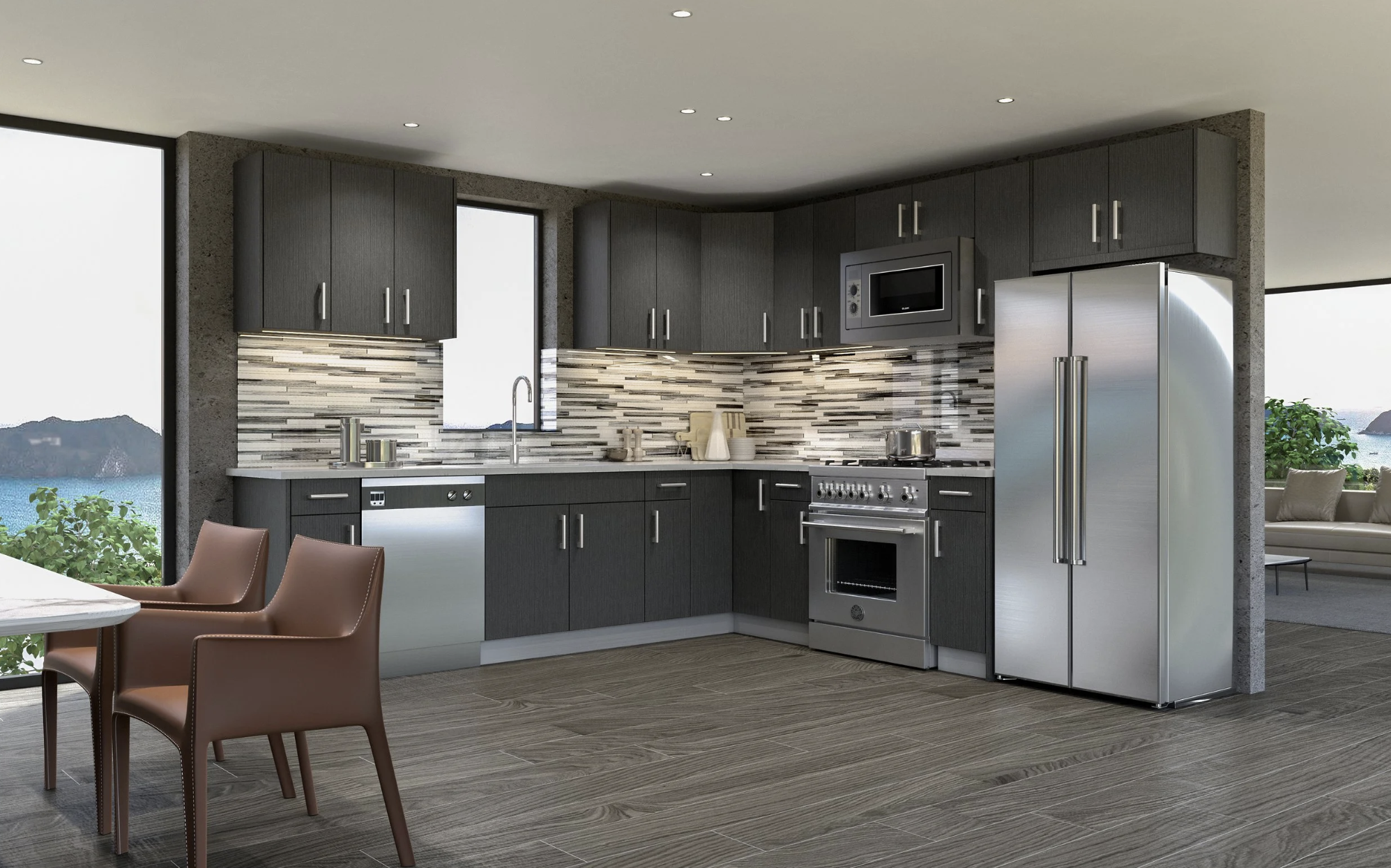
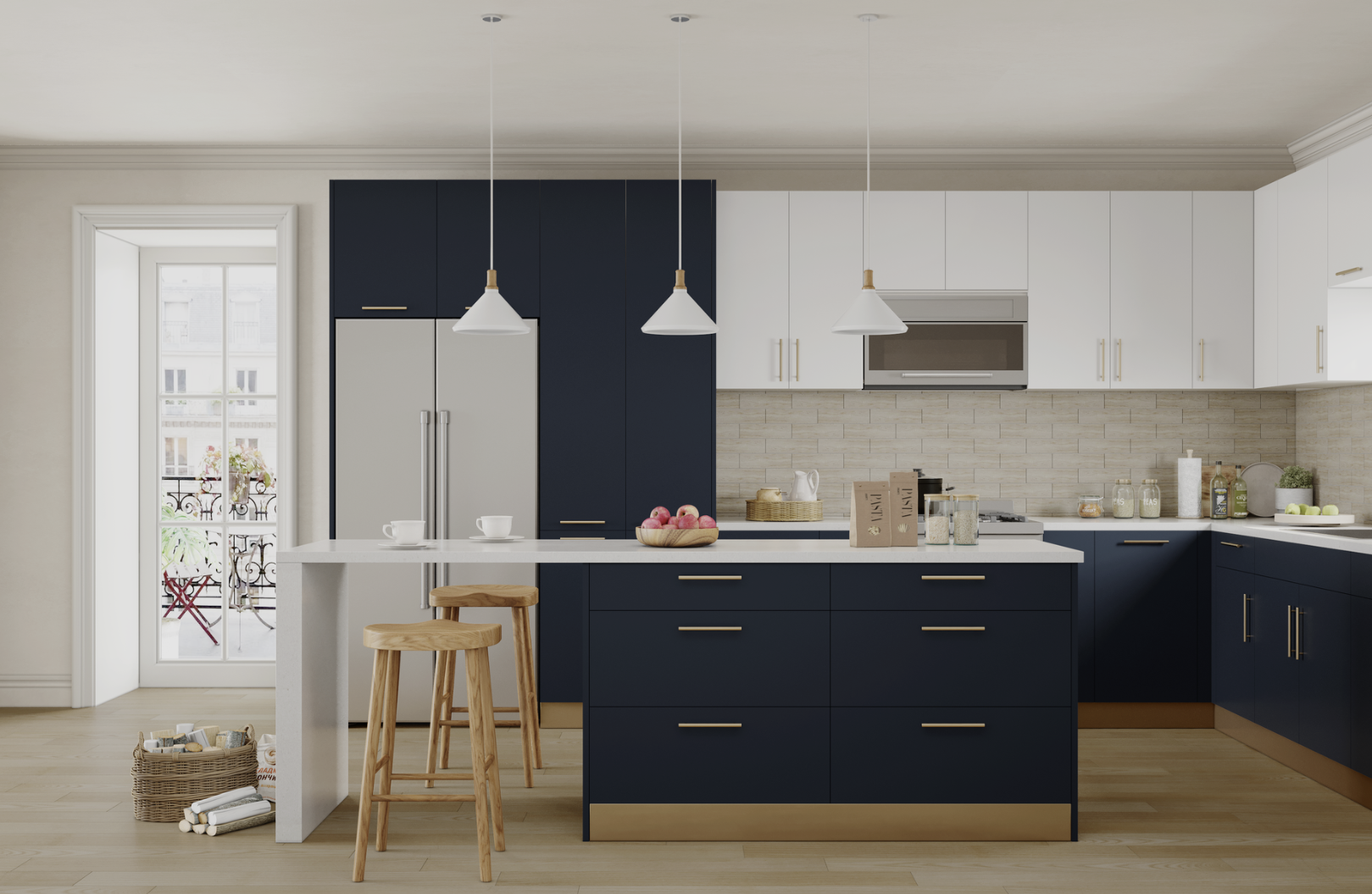
L-Shaped Layout
The L-shaped kitchen cabinet layout is versatile and works well in various spaces.
- Open and flexible design
- Efficient use of corners
- Suitable for small and large kitchens
U-Shaped Layout
The U-shaped layout provides maximum storage and workspace.
- Three-wall cabinet configuration
- Ideal for larger kitchens
- Highly efficient workflow
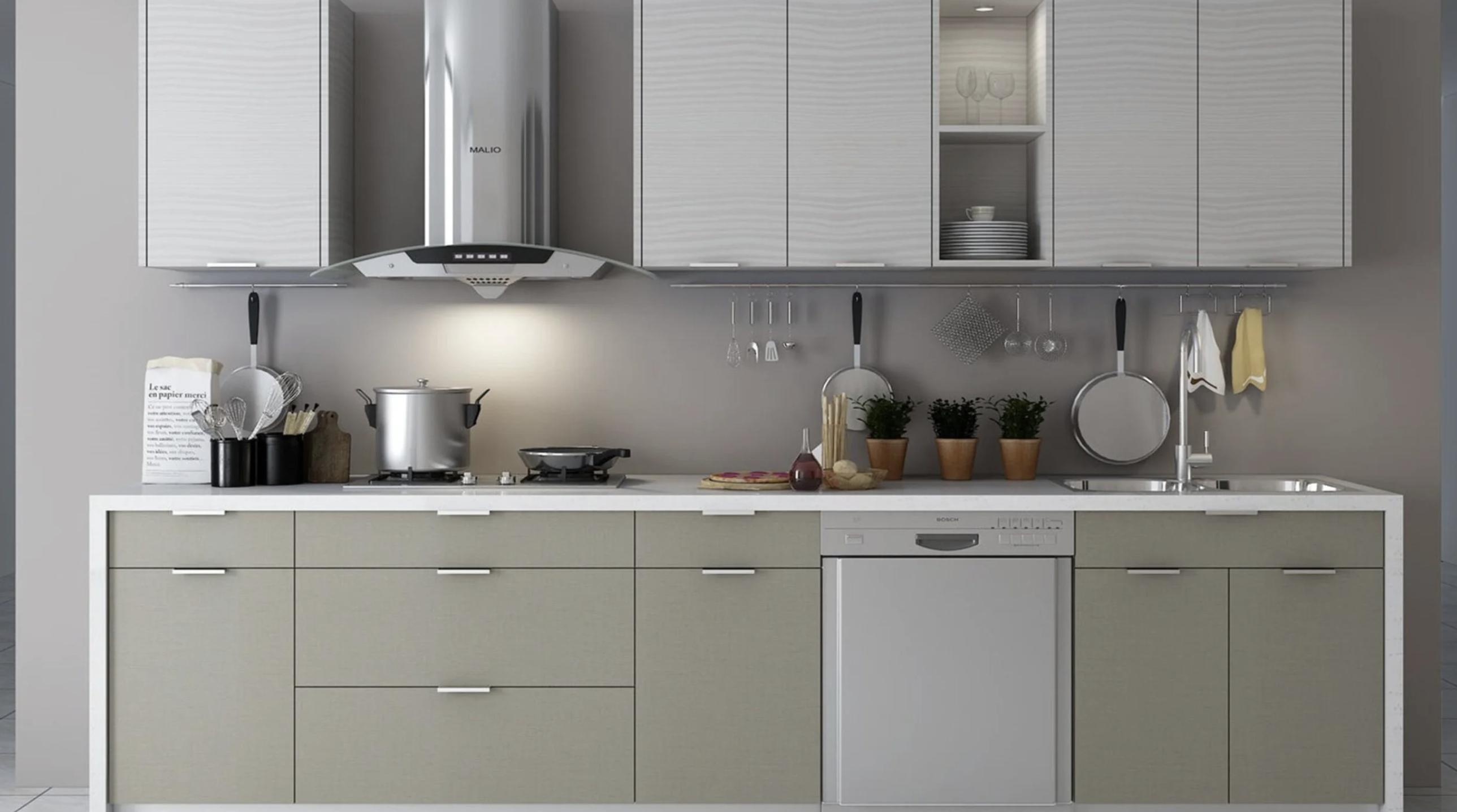
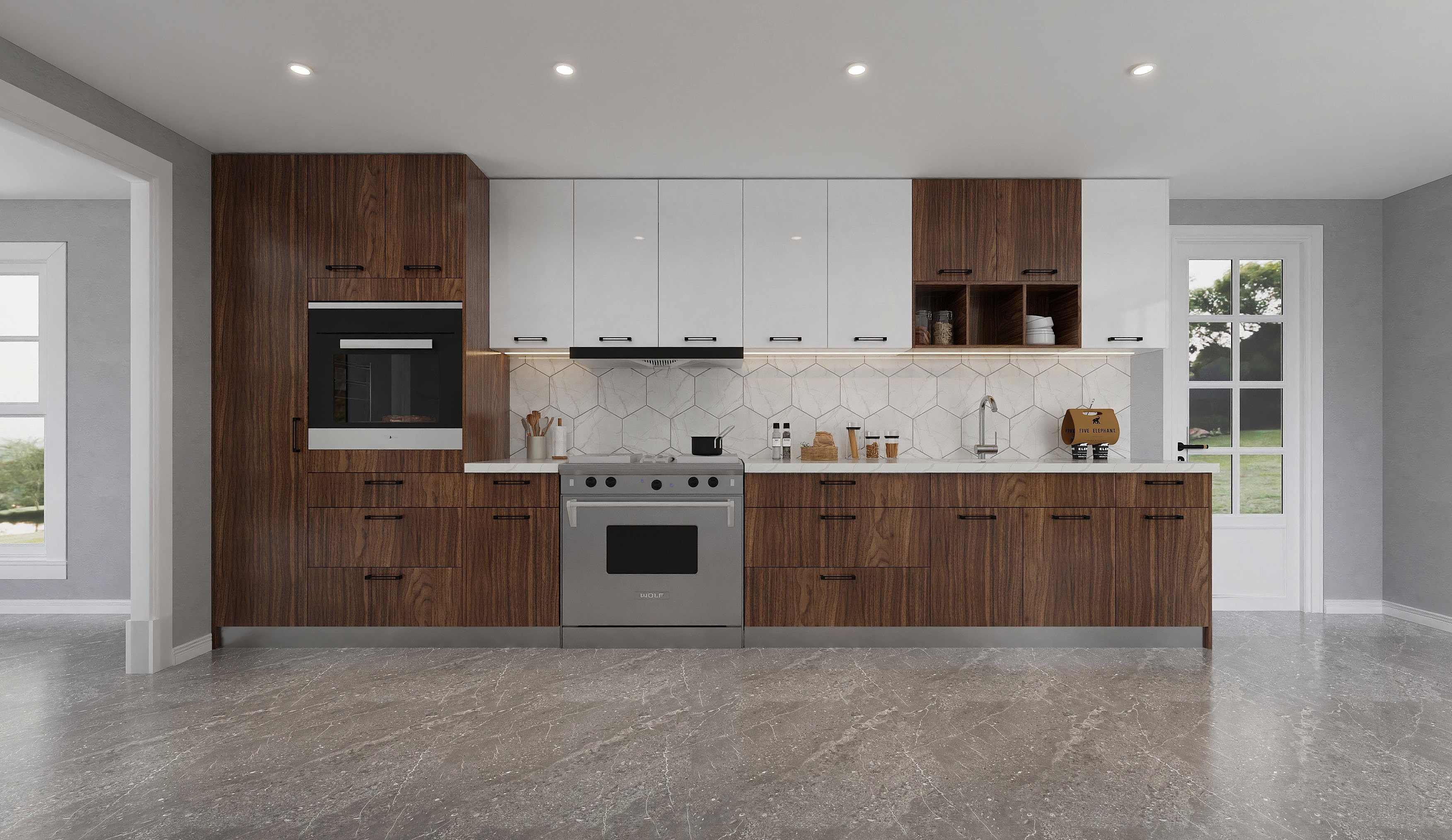
Galley Layout
This layout is ideal for narrow kitchens and offers a streamlined kitchen cabinet layout.
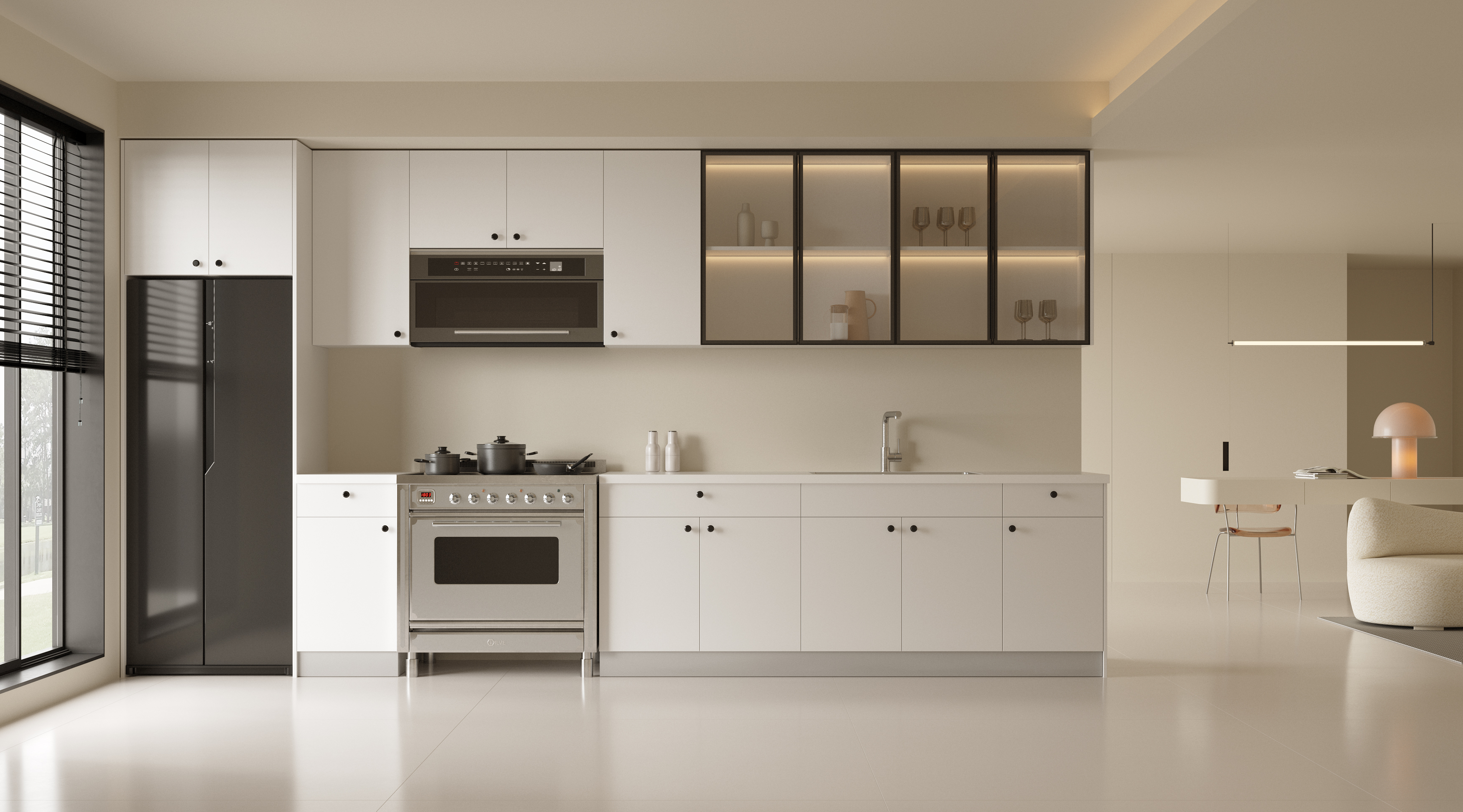
- Parallel cabinet arrangement
- Efficient use of space
- Minimal walking distance
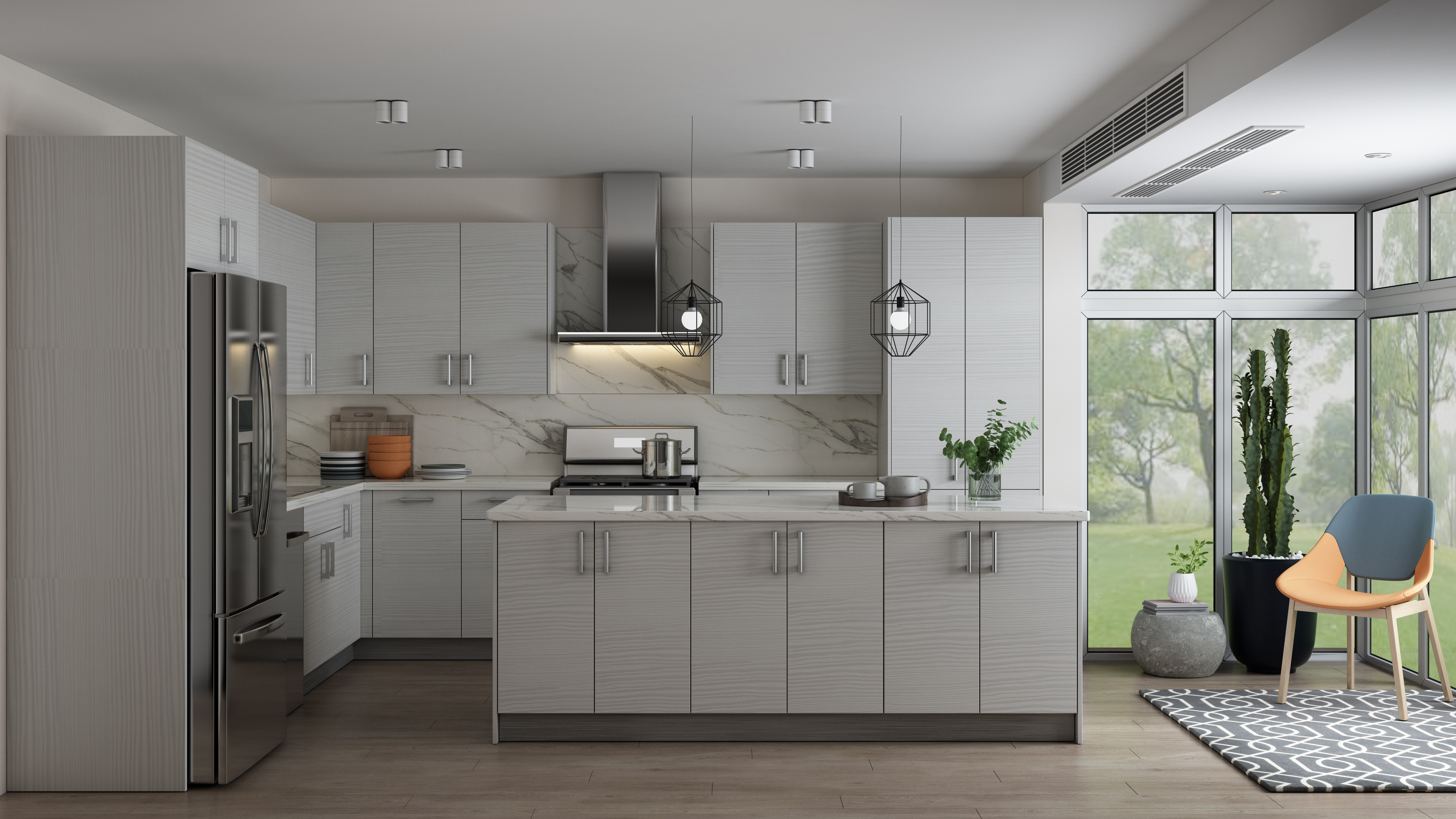
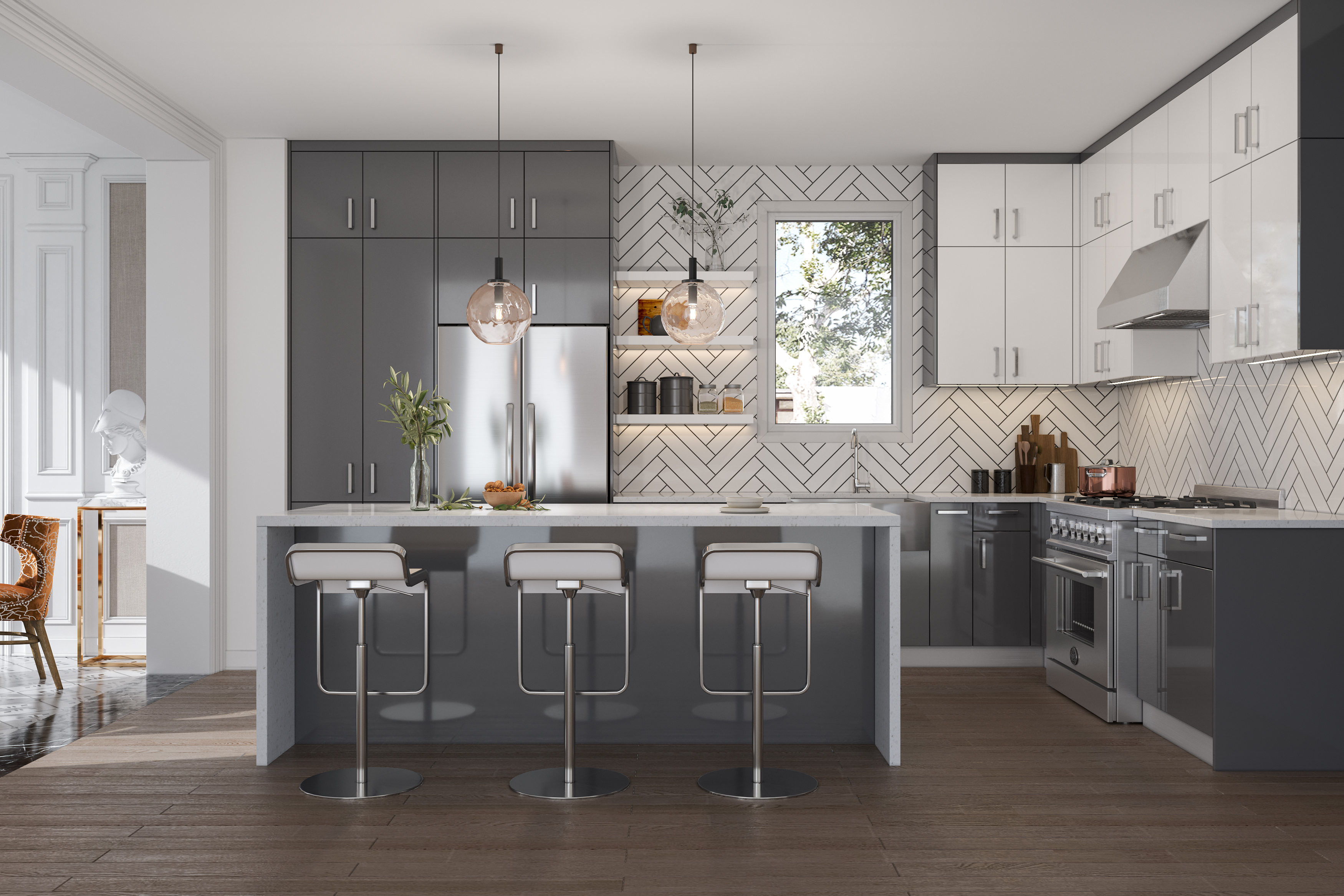
Island Layout
Adding an island enhances storage and functionality.
- Extra workspace
- Additional storage
- Social and dining integration
Step 4: Integrate Smart Kitchen Storage Solutions
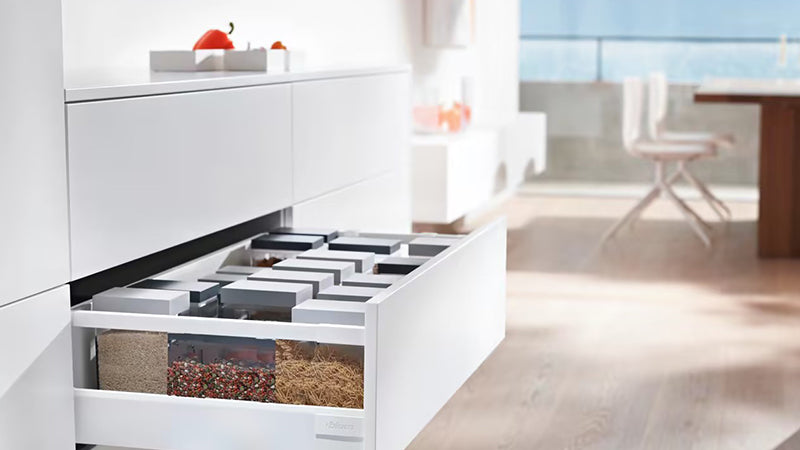
An effective kitchen cabinet layout must incorporate advanced kitchen storage solutions to maximize usability.
Optimize Cabinet Interiors
- Use pull-out shelves
- Add drawer dividers
- Install vertical storage racks
Utilize Hidden Storage
Hidden storage keeps the kitchen clean and organized.
- Toe-kick drawers
- Concealed compartments
- Appliance garages
Step 5: Plan Functional Kitchen Zones
Zoning is an advanced strategy in kitchen cabinet layout design.
- Preparation zone: Counter space and tools
- Cooking zone: Stove and cookware
- Cleaning zone: Sink and dish storage
- Storage zone: Pantry and cabinets
This approach improves workflow and enhances efficiency.
Step 6: Choose Materials and Finishes
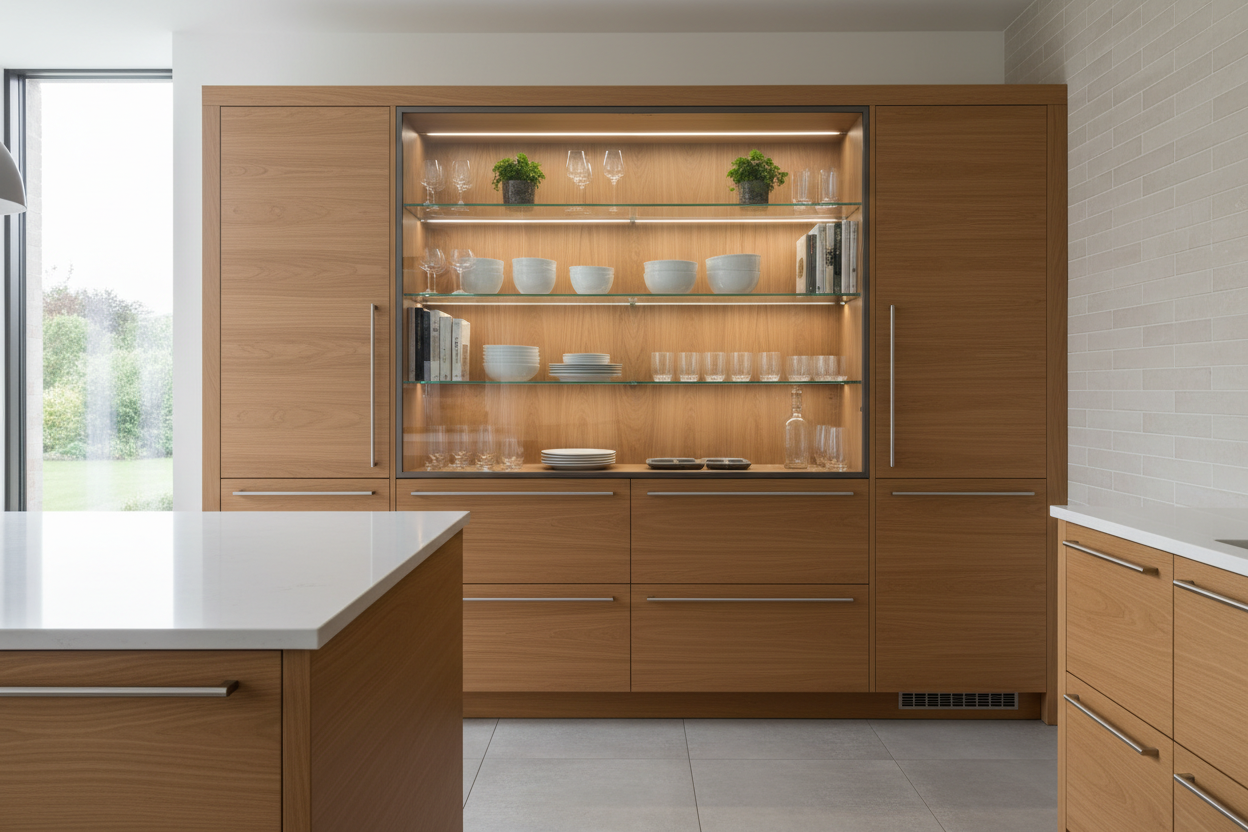
The materials used in a kitchen cabinet layout affect both durability and aesthetics.
- Solid wood for longevity
- Engineered wood for cost efficiency
- Metal accents for modern appeal
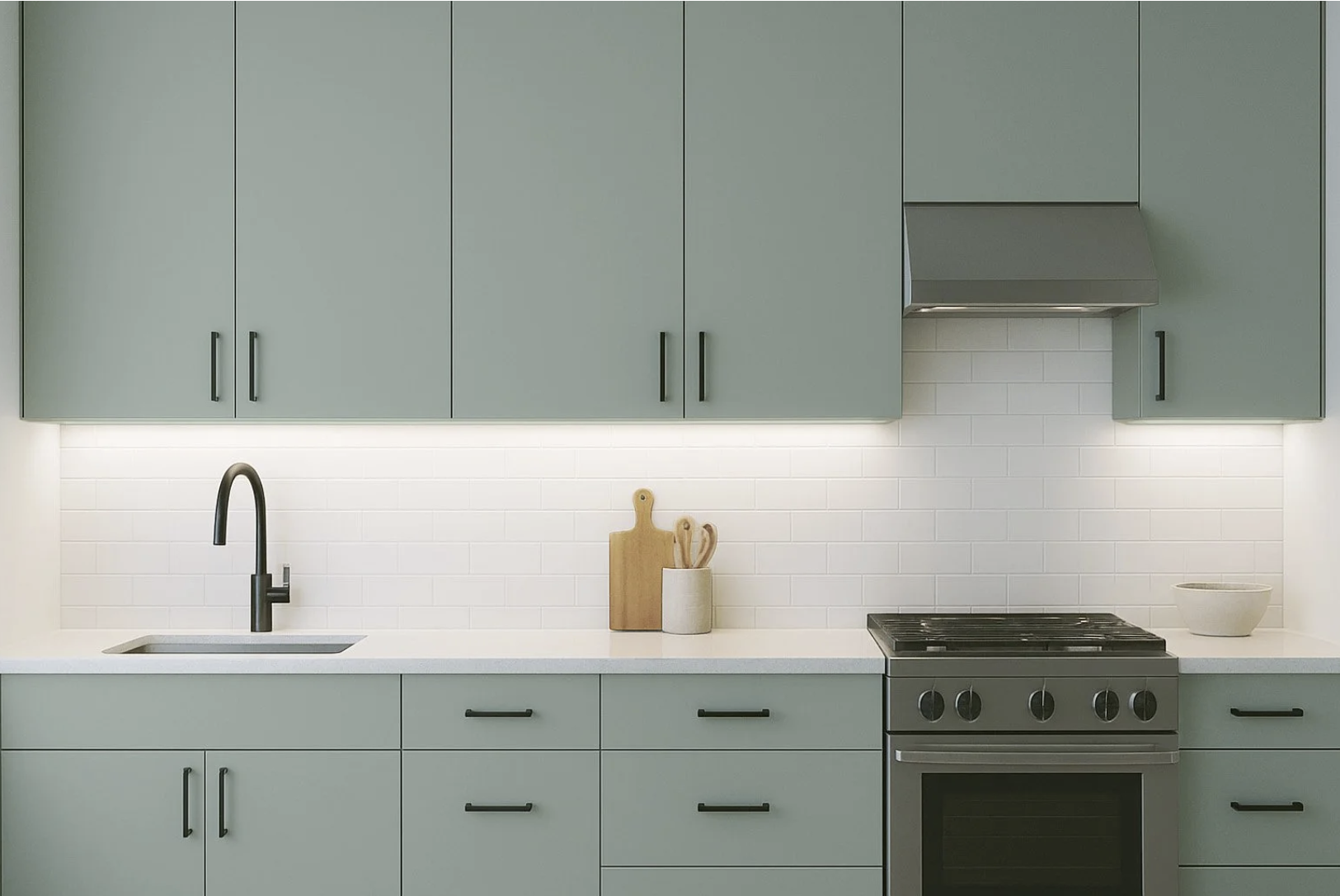
Minimalist finishes and handle-free designs are popular trends in modern kitchens.

Custom Kitchen Cabinet Layout Solutions
Customization is essential for achieving optimal results. Tailored kitchen cabinet layout designs allow for better space utilization and personalization.
Goldenhome, a global custom cabinetry manufacturer with over 27 years of experience, provides customized cabinet layout solutions that meet the needs of homeowners, contractors, and developers worldwide.
These solutions combine functionality, scalability, and modern design.
Common Mistakes to Avoid
- Ignoring workflow and ergonomics
- Overcrowding cabinets
- Insufficient storage planning
- Failing to plan for future needs
A successful kitchen cabinet layout requires careful planning and attention to detail.
FAQ: Kitchen Cabinet Layout
What is the best way to plan a kitchen cabinet layout?
Start with accurate measurements, apply the work triangle, and integrate smart kitchen storage solutions.
How much space should be between kitchen cabinets?
Typically, 36 to 48 inches of clearance is recommended for comfortable movement.
Is it worth investing in custom kitchen layouts?
Yes, custom layouts provide better functionality and long-term value.
Conclusion: Designing Kitchens with Purpose
A well-designed kitchen cabinet layout is essential for creating a kitchen that is both functional and visually appealing.
By following expert planning strategies and integrating modern storage solutions, you can design kitchens that meet the demands of today’s lifestyles while delivering lasting value.